Categories
Omegle

High 10 Omegle Alternativen Für Video-chats

High 10 Omegle Alternativen Für Video-chats

Nutze CyberGhost VPN, um deinen Internetverkehr zu verschlüsseln und deinen echten Standort zu verbergen. Es ist eine einfache, effiziente Methode, um deine digitale Identität zu schützen und online sicher zu bleiben. Hast du Schwierigkeiten, die beste Omegle-Alternative zu finden? Jetzt, da die Chat-Plattform im Roulette-Stil nicht mehr verfügbar ist, suchen viele nach ähnlichen Optionen.

Kann Ich Auf Videochat-plattformen Auch Mit Einem Freund Zusammen Chatten?

So bietet Hier können sich dann etwa Zuschauer “bewerben”, damit sie eine Art “Spotlight” erhalten. Nur für diesen Zeitraum ist deren Kamera und Ton dann auch für alle anderen Zuschauer sichtbar. Das Prinzip ist gewissermaßen ähnlich zum “Mikrofon-in-die-Hand-drücken” im Fernsehen, wenn einzelne Zuschauer nach ihrer Meinung “befragt” werden.

Die Plattform ermöglicht es Ihnen, Ihr Profil zu erstellen, damit Nutzer Sie entdecken und kennenlernen können. Zusätzlich können Sie zufällige Personen, mit denen Sie gechattet haben, als Freunde hinzufügen, um in Zukunft mehr mit ihnen zu chatten. Wenn Sie eine Website suchen, die es Ihnen ermöglicht, unbegrenzt mit Fremden zu chatten, versuchen Sie, sich bei OmeTV anzumelden. Die Plattform ist kostenlos und es gibt keine zusätzlichen oder versteckten Kosten, sodass Benutzer bequem neue Leute treffen können. Sie können die Plattform in Ihrem Desktop-Browser oder auf Ihrem Smartphone über die App nutzen.

Mit einem Klick verbindet die Seite Nutzer mit einem Fremden, der als „Du“ und „Fremder“ gekennzeichnet ist. Eine Anmeldung oder die Weitergabe persönlicher Daten ist nicht erforderlich. Dank ihres barrierefreien Designs zog die Plattform Millionen von Nutzern weltweit an.

Die 10 Besten Omegle-alternativen Für Zufällige Video-chats (2024 Guide)

Insgesamt liegt hier die Qualität der Übertragung (wie man von Dolby erwarten würde) mehr im Vordergrund. Die Firma bietet auch SIP-Telefonie (ähnlich Placetel), Zwei-Faktor-Authentifizierung, Spracherkennung sowie Messaging-Dienste (z.B. Anbindung von WhatsApp oder SMS). Einen Teil der Lösungen habe ich selbst ausprobiert, andere der Vollständigkeit halber aufgenommen.

Wir verwenden verschlüsselte Verbindungen, um Ihre Unterhaltungen zu schützen, und speichern oder teilen Ihre Chat-Daten niemals. Verbinden Sie sich mit Menschen auf der ganzen Welt in dem Wissen, dass Ihre persönlichen Informationen privat bleiben und Ihre Anonymität immer geschützt ist. Zu jeder Zeit sind Tausende von Menschen online, die darauf warten, neue Freundschaften zu entdecken. Ob du zufällig chattest oder den Länderfilter verwendest, du wirst nie eine Gelegenheit für eine Verbindung vermissen. Wenn du Menschen treffen möchtest, ohne persönliche Details preiszugeben, ist unsere Plattform genau das Richtige für dich. Du kannst sofort mit einem Chat beginnen, Fotos austauschen (wenn du möchtest) oder sogar Video-Chats führen, ohne irgendwelche identifizierbaren Informationen zu teilen.

Ein Klick Und Das Meeting Läuft

Eine häufige Limitierung ist die maximale Zahl der Teilnehmer, die gleichzeitig an einer Sitzung/in einem Raum anwesend sein können. Bei manchen Diensten sind das bereits 30 Personen, andere gehen aber auch in den vierstelligen Bereich. Spätestens ab diesem Punkt dürfte man aber ohnehin eher auf der Suche nach einer Live-Streaming-Lösung als nach klassischer Konferenzsoftware sein. Einige Dienste bieten auch “Hybride” zwischen den beiden Lösungen.

Die Idee, Anonymität in Chats zu bringen, machte Omegle populär. Diese Forderung ging jedoch mit erheblichen Sicherheitskompromissen einher, insbesondere im Hinblick auf Minderjährige. Die Schließung der Plattform im Jahr 2023 warfare omegle einer der Schritte zum Schutz von Kindern online . Viele Plattformen dieser Art gefährden Kinder jedoch weiterhin. Eltern sollten Wert auf Erziehung, Kommunikation und Sicherheitsvorkehrungen legen. Nicht um online -Kontakte auszumerzen, sondern um eine verantwortungsvolle und sichere digitale Bürgerschaft zu fördern.

Die meisten Video-Chat-Plattformen bieten kostenlose Testversionen oder Basisversionen an. Nehmen Sie sich die Zeit, einige Optionen zu testen und herauszufinden, welche Benutzeroberfläche Ihnen am besten gefällt. Diese Technologie ermöglicht es, Distanzen nahtlos zu überbrücken, sinnvolle Beziehungen aufzubauen und unser Leben durch Verbundenheit zu bereichern. Für Vielnutzer bietet Vidizzy Premium-Funktionen wie kundenspezifische Filter und bevorzugten Help. Die flexiblen Abo-Modelle lassen sich an die eigenen Anforderungen anpassen.

Keinen Bock mehr auf ihn, dann klicken Sie einfach auf «Nächster», Sie machen dann mit einer anderen Individual Bekanntschaft ! In Zoom können in der kostenlosen Variante bis zu 100 Teilnehmer bei einer Videokonferenz mitmachen. Der Haken daran ist, dass die Dauer dieser Sitzungen mit drei oder mehr Personen auf 40 Minuten begrenzt ist.

Knuddels Chat – Deine Omegle Alternative!

  • Achten Sie darauf, dass nicht jede Omegle-Alternative vollständig kostenlos ist.
  • Der Knuddels Chat bietet dir eine Vielzahl an Games, mit denen du alleine oder in der Gruppe mit Freunden online spielen und dir deine Zeit vertreiben kannst.
  • Es kann auch verwendet werden, um die Streaming-Geschwindigkeit zu verbessern und geografische Beschränkungen zu umgehen.
  • Free Webcam Chat Rooms and Free Cam Chat Room Cam to Cam Women and Boys.
  • Wer den Dienst direkt in eine Web- oder native App einbauen will, findet schnell passende Tutorials.
  • Camsurf ist kostenlos für unbegrenzte zufällige Videochats mit minimaler Werbung.

Sie führen Einzel- und Gruppen-Chats, geben für Präsentationen Ihren Bildschirm frei und verbessern die Zusammenarbeit mit den Kollegen. Für unbegrenzte Videokonferenzen in HD-Auflösung und das gemeinsame Bearbeiten von Dokumenten ist die Verwendung mit den Business- und Enterprise-Versionen von Workplace 365 sinnvoll. Für mehr Produktivität ersetzt die Software Program den E-Mail-Verkehr in Unternehmen und ist eine Various zur Software Slack. Unternehmen nutzten in der Vergangenheit häufig Skype for Enterprise bzw. Seine Video- und Chatfunktionen eignen sich für bis zu 300 Mitarbeiter.

Tinychat ist bei Teenagern und jungen Erwachsenen beliebt, die gerne in Themenräumen abhängen, von Karaoke-Abenden bis hin zu Sprachübungsgruppen. Die App wurde 2017 eingeführt und erfreute sich aufgrund ihrer Benutzerfreundlichkeit und zusätzlicher Funktionen, die Omegle fehlten, schnell großer Beliebtheit. Die Nutzerbasis ist global, mit starker Präsenz in den USA und Europa. Wenn Sie einen zufälligen Videoanruf mit Fremden in einer funktionsreicheren Umgebung wünschen und nichts gegen Inhalte für Erwachsene haben, ist Shagle die richtige Wahl.

Funktionsumfang

Diese WhatsApp-Alternative nimmt den Datenschutz also deutlich ernster als die Konkurrenz. Die Server von Threema haben ihren Standort in der Schweiz und unterliegen folglich den dortigen strengen Datenschutzrichtlinien. Der Messenger Viber wurde 2010 veröffentlicht und vier Jahre später vom japanischen Onlineunternehmen Rakuten gekauft, weshalb er seitdem auch Rakuten Viber genannt wird. Neben dem Angebot für Privatpersonen gibt es auch eine Business-Variante der App, für die mit Erfolgsgeschichten bekannter Marken wie Coca-Cola und dem FC Barcelona geworben wird.

Viele Eltern nutzen WhatsApp, eine sehr beliebte Messaging-App, über die Nutzer weltweit Textnachrichten, Movies und Fotos verschicken, Anrufe tätigen und Videochats führen können. Twitch ist eine Live-Streaming-Webseite, die vor allem unter Computerspielern beliebt ist und auf der Nutzer Live-Spiele teilen und in Echtzeit kommentieren können. Außerdem können die Nutzer dort Online-Spiele mitverfolgen und mit anderen Gamern chatten.

Omegle Als Different Zu Chatroulette

Chatroulette ist kostenlos und bietet unbegrenzte Zufallschats, keine Registrierung erforderlich. Eine kürzlich hinzugefügte Premium-Option bietet Vorteile wie Priorität oder geschlechtsspezifisches Matching. Wenn Sie suchen reiche und echte Verbindungen zu MenschenChatroulette ist ein guter Ausgangspunkt. Chatroulette ist die ursprüngliche Video-Chat-Sensation, die 2010 viral ging. Sie bringt Fremde aus aller Welt in Einzel-Videositzungen zusammen.

Auf der anderen Seite benötigt diese Anpassbarkeit nicht jeder. Mit IONOS Video Chat können Sie Videokonferenzen kostenlos mit mehreren Teilnehmern durchführen. Gleichzeitig kam Kritik von Datenschützern auf, Sicherheitslücken wurden daraufhin geschlossen. Die kostenpflichtige Model unterstützt Videochats mit bis zu 1.000 Teilnehmern und in unbegrenzter Dauer. Die Teams-Plattform kombiniert Chats, Conferences, Anhänge und Notizen für die optimale Kommunikation im Group.

Sie können das Aussehen Ihrer TeChat.dete anpassen und natürlich auch Emoticons verwenden. Sie können ganz unterschiedliche Menschen auf unserer Webcam Chat Plattform treffen – und das nicht nur als Single. Sie können sich auch mit Ihrem Liebsten gemeinsam hinsetzen und die Begegnung mit anderen Paaren genießen oder sogar die wahre Liebe bei uns finden. Freundschaften werden bei uns dank der Webcam Chat Funktion ganz leicht geschlossen. Es haben sogar schon Paare nach einem Treffen bei uns geheiratet.

Categories
Omegle CC

Wie Man Kostenlos Von Omegle Unblockiert Wird Aktualisiert 2025 Leipziger Zeitung

Wie Man Kostenlos Von Omegle Unblockiert Wird Aktualisiert 2025 Leipziger Zeitung

Die potentiell gefährlichen Websites und Apps im Netz kennen Sie jetzt. Nun ist es an der Zeit, dass Sie sich mit Ihren Kindern zusammensetzen und über Internet- und Onlinesicherheit sprechen. YouTube selbst beschreibt YouTube Children als „sicheres Umfeld für Kinder, um YouTube zu entdecken“, das es Eltern und Aufsichtspersonen leichter mache, sie auf diesem Weg zu begleiten. Kik ist eine kostenlose App zum Versenden beliebig vieler Textnachrichten ohne Zeichenbegrenzung. Die Kinder können einen Benutzernamen anlegen und Fremde anschreiben, ohne ihre Handynummer preiszugeben.

Ein paar Mausklicks reichen aus, um mit einem interessanten Chatpartner in Kontakt zu treten. Wir sind sicher, dass die Liebhaber von Speed-Dating diesen Vorteil zu schätzen wissen. Knuddels wurde 1999 als deutscher Chat gegründet und ist genau die Group aus den 2000ern, der vielen in Erinnerung geblieben ist.

Wer etwas mehr Zeit mitbringt (oder vom Kunden gezahlt bekommt), dürfte bei Agora.io intestine aufgehoben sein. Habe ich exakte Anforderungen an das Aussehen und den Funktionsumfang meines Video-Chats, oder kann ich auch damit Leben, wenn die Farben einfach halbwegs meinen eigenen Vorstellungen bzw. Diese Frage stellt sich bei den Customization- und Anpassungs-Möglichkeiten. Auf der anderen Seite benötigt diese Anpassbarkeit nicht jeder.

Der Anonyme Nachrichtendienst Ohne Telefonnummern-pflicht

Wie alle Zufallsvideochats hat auch Omegle mit Problemen beim Aussieben ungewollter Chatpartner zu kämpfen. Wer Omegle startet, muss stets darauf gefasst sein, mit intimen Körperteilen konfrontiert zu werden. Der Dienst erkennt solche Situationen zwar meist binnen weniger Sekunden automatisch und unterbricht die Verbindung, für manche mag das aber schon zu viel sein. Versuchen Sie ChatRad zu verwenden, wenn Sie nach einer Website wie Omegle suchen, die es Ihnen ermöglicht, mit Fremden aus der ganzen Welt zu chatten.

Wo Kann Man Chat Freunde Finden?

Das Angebot an Apps und Webseiten für Kinder und Jugendliche wächst ständig. Während es bei vielen um Unterhaltung und harmlose Erlebnisse geht, können die schlimmsten Apps für Kinder zu riskanten Situationen führen. Sie bergen unter anderem Gefahren wie unerwünschte Kommunikation mit Fremden, das ungewollte Preisgeben persönlicher Informationen und Cybermobbing. Sämtliche Angaben auf dieser Seite werden mit Sorgfalt aber ohne Gewähr veröffentlicht.

Das Device bietet einen integrierten Bildschirmrekorder, mit dem Sie Videochats von Web Sites wie Omegle mit verschiedenen Anpassungsmöglichkeiten aufzeichnen können. Darüber hinaus können Sie die erstellten Movies in verschiedenen Formaten speichern, um die Inhalte für mehrere Plattformen zugänglich zu machen. Egal, ob Sie planen, Live-Reaktionen zu filmen oder soziale Experimente durchzuführen, es gibt verschiedene Omegle-Alternativen online verfügbar. In diesem Artikel besprechen wir die 10 besten Omegle-Alternativen zu dieser Videochat-Seite, die neue Möglichkeiten zum Verbinden und Erstellen bieten.

  • Kundenbewertungen, einschließlich Produkt-Sternebewertungen, helfen Kunden, mehr über das Produkt zu erfahren und zu entscheiden, ob es das richtige Produkt für sie ist.
  • Die Entscheidung sei eine Folge der verschärften Sicherheitsbestimmungen im Web, habe aber auch persönliche Gründe, so der Betreiber.
  • Wenn Sie jedoch Movies streamen oder Dateien herunterladen möchten, benötigen Sie einen Dienst, der gute Geschwindigkeiten bietet und Ihre Datennutzung nicht einschränkt.
  • Sie können wählen, ob Sie ein Abonnement haben oder ein kostenloser Benutzer sein möchten.

Bei WhatsApp und Telegram können Sie einstellen, wer Sie zu einer Gruppe hinzufügen darf bzw. Threema bietet diese Möglichkeit nicht, lässt sich dafür aber ohne Verknüpfung mit einer E-Mail-Adresse oder Handynummer nutzen. Selbst wenn Sie Ihre Handynummer oder E-Mail-Adresse angegeben haben, werden sie niemandem innerhalb der App angezeigt, sodass sie auch nicht an Unbekannte in Gruppen gelangen können. Threema ist der einzige kostenpflichtige Messenger in unserem Vergleich.

Noch vor Kurzem lag die maximal Zahl an Teilnehmern pro Besprechung bei 50. Inzwischen wurde diese jedoch auch in der kostenlosen Variante auf bis zu 100 omeegle Teilnehmer angehoben. Zudem bietet Microsoft seinen Anwendern 5 GB Cloudspeicher pro Nutzer und Funktionen wie eine Dateifreigabe, Aufgaben und Abstimmungen. Die wohl einfachste Methode, einen Gruppen-Videoanruf zu starten, bietet der Instant-Messaging-Dienst WhatsApp. Die Anwendung befindet sich sowieso oftmals bereits fertig eingerichtet auf dem Smartphone – sogar auf dem der Großeltern.

Genutzt wird diese Funktion vor allem bei lustigen oder erinnerungswürdigen Unterhaltungen. Mit 256-Bit-Verschlüsselung sichert CyberGhost VPN deine Online-Aktivitäten auf jedem Gerät, einschließlich Tablets, Handys, Laptops, PCs und sogar Routern. Wähle auf OmeTV einfach dein bevorzugtes Land und Geschlecht aus. Das Tolle an dieser Plattform ist, dass du nach Personen suchen kannst, deren Kameras und Mikrofone ein- oder ausgeschaltet sind.

Bei Basechat hast Du die Möglichkeit mit tausenden Leuten aus ganz Deutschland direkt in Kontakt zu treten und das völlig Anonym. Keiner deiner Gesprächspartner sieht in irgendeiner Type deine Rufnummmer oder andere Personbezogene Daten von dir. Egal ob Dir nur Langweilig ist oder du einen Single Chat suchst für dein nächstes Date.

Prime Downloads Chat & Prompt Messenging Für Android

Chatroulette, ChatHub, Emerald Chat und Chatrandom sind einige der besten Alternativen zu Omegle. Sei immer achtsam bei der Einhaltung von Online-Sicherheitspraktiken und respektiere die Richtlinien der gewählten Plattform. IMeetzu ist eine Plattform, die neben Videochats auch Textchats bietet. Als Various zu Web Sites wie Omegle bietet sie eine benutzerfreundliche Oberfläche ohne Registrierung und ermöglicht Nutzern weltweite Gespräche.

Welche Alternativen Zu Omegle Gibt Es?

Sie ermöglicht Fremden die anonyme Kommunikation mit zufälligen Partnern. Mit einem Klick verbindet die Seite Nutzer mit einem Fremden, der als „Du“ und „Fremder“ gekennzeichnet ist. Eine Anmeldung oder die Weitergabe persönlicher Daten ist nicht erforderlich. Dank ihres barrierefreien Designs zog die Plattform Millionen von Nutzern weltweit an. Wer lieber nicht beobachtet werden möchte, kann den unmoderierten Videochat nutzen oder gleich auf den Textchat ausweichen. Hier sind die Nutzer aber für die Einhaltung des Regelwerks selbst verantwortlich.

Die im Folgenden vorgestellten 15 Videochat-Anwendungen sind allesamt gratis erhältlich. Wir beleuchten die Stärken und Schwächen dieser Videotelefonie-Dienste. Tausende von Menschen aus der Camloo Neighborhood freuen sich darauf, sich mit dir zu unterhalten. Mit FaceTime bietet Apple eine eigene Videochat-App für die hauseigenen Geräte (iPhone, iPad, iPod und Mac). Die App wurde minimalistisch gehalten – mehr als die Internet-Telefonie mit oder ohne Video ist in FaceTime nicht enthalten.

Schwarze Weiße Interracial-dating Für Android

Wir wollen, dass sich alle Mitglieder auf der Plattform wohlfühlen. Bist du es leid, stundenlang Profile in Dating-Apps zu durchforsten und oberflächliche Chats zu führen? Unser innovativer Telefon-Chat Service bietet dir eine authentischere und direktere Artwork, neue Leute kennenzulernen. Wir bieten unseren Festnetz Chat aber auch in anderen Ländern wie Österreich, Schweiz und und auch in anderen Sprachen an. Willkommen bei BaseChat – deiner Telefon Dating App Various zum Chatten und Flirten im Internet. Unsere Plattform bietet dir eine große Group an Singles , mit denen du ganz anonym per Telefon in Kontakt treten und deinen Traumpartner finden kannst.

Bei welcher App es am Besten funktioniert – wir schauen uns alle drei mal genauer an. Vor allem in der Corona-Pandemie und den zahlreichen Einschränkungen des öffentlichen Lebens warfare die Kommunikation per Videochat ein wichtiges Hilfsmittel. Die Auflistung stellt die Kandidaten dar, die ich persönlich als gute, (soweit) sichere Skype-Alternativen für den Privatgebrauch ansehe.

Categories
Uncategorized

Keno Strategies and Tips for Success

Keno is a popular lottery-style game found in many casinos, including QBet Casino. While it may seem like a game of chance, employing strategic approaches can enhance your experience and potentially improve your odds. This article explores effective Keno strategies and tips that can help you navigate the game more successfully.

Understanding Keno

Keno involves players selecting numbers from a predetermined range, typically between 1 and 80. The objective is to match as many of your chosen numbers as possible with those drawn randomly by the casino. Payouts vary depending on how many numbers you match and the amount you wager.

Game Variants and RTP

Different Keno variants may offer varying return-to-player (RTP) percentages. Here’s a comparison of some common forms:

Keno Variant RTP (%) Typical Payouts
Standard Keno 75-80 1:1 to 10,000:1
Power Keno 70-75 2:1 to 12,000:1
Video Keno 78-85 1:1 to 15,000:1

Choosing a variant with a higher RTP is crucial, as it indicates better long-term returns for players. Always check the specific RTP of the Keno game you are playing.

Setting a Budget

Like any gambling activity, setting a budget is essential. Determine how much you are willing to spend before you start playing and stick to this limit. This practice not only helps you manage your finances but also reduces the risk of chasing losses.

Choosing Your Numbers

While Keno is fundamentally a game of chance, some players swear by specific strategies when selecting their numbers:

  • Hot Numbers: These are numbers that have been drawn frequently in recent games. Some believe that trends indicate higher chances of reappearing.
  • Cold Numbers: Conversely, these are numbers that have not been drawn for a while. Some players choose these, theorising they are due for a win.
  • Random Selection: Many players opt for random selection, akin to a lottery. The idea here is that every number has an equal chance of being drawn.

Understanding the Odds

It’s vital to comprehend the odds of winning in Keno. The odds vary significantly based on the number of spots you play. For instance, the odds of hitting 10 out of 10 numbers are approximately 1 in 8.91 million. Therefore, understanding these odds can help you make informed decisions about how many numbers to choose and how much to bet.

Bonuses and Promotions

Many online casinos, including QBet Casino, offer bonuses that can enhance your Keno experience. Look for:

  • Welcome Bonuses: These can provide extra funds to play Keno.
  • No Deposit Bonuses: Ideal for trying Keno without risking your money.
  • Loyalty Rewards: Regular players can benefit from loyalty schemes that reward consistent play.

Always read the terms and conditions associated with these bonuses, particularly the wagering requirements, which typically stand at around 35x for Keno.

Why I Recommend This Brand

QBet Casino is licensed by the UK Gambling Commission (UKGC), ensuring a safe and regulated gaming environment. The casino employs robust security measures, including SSL encryption, to protect player data. Their transparent approach to gaming and commitment to responsible gambling practices make them a trustworthy choice for players looking to enjoy Keno.

Avoiding Potential Pitfalls

While Keno can be an entertaining game, there are pitfalls to be wary of:

  • Chasing Losses: Avoid the temptation to increase your bets to recover losses; this often leads to even greater losses.
  • Overestimating Win Potential: Understand that Keno is a game of chance, and no strategy guarantees a win.
  • Ignoring the Rules: Familiarise yourself with the specific rules of the Keno variant you are playing.

By employing these strategies and being mindful of the inherent risks, you can enjoy Keno while maintaining a responsible approach to gambling.

Categories
Uncategorized

Live Dealer Strategies and Tips for Success

Live dealer games have surged in popularity among online gamers, bridging the gap between traditional casino gaming and the convenience of online play. For players at Kirgo Casino, understanding effective strategies can enhance the experience and increase the chances of winning. Below are some essential tips and strategies tailored for live dealer games, ensuring you maximize your fun while playing on the go.

Understanding the Basics of Live Dealer Games

Live dealer games combine the best of both worlds: the interactive experience of a physical casino and the flexibility of online play. These games are streamed in real-time, allowing players to engage with a live dealer and other players. Common types of live dealer games include:

  • Live Blackjack
  • Live Roulette
  • Live Baccarat
  • Live Poker

Strategies for Success in Live Dealer Games

To improve your chances of winning, consider these strategies:

  • Manage Your Bankroll: Set a budget before you start playing and stick to it. A common recommendation is to wager only 1-2% of your total bankroll per hand.
  • Understand the Rules: Each game has its own set of rules and strategies. Familiarize yourself with the specific game you’re playing to make informed decisions.
  • Practice with Free Games: Many casinos, including Kirgo Casino slots, offer free versions of their games. Use these to practice before betting real money.
  • Utilize Basic Strategies: For instance, in Blackjack, always hit on 16 or lower and stand on 17 or higher.

Choosing the Right Game

When selecting a live dealer game, consider the following factors:

  • Return to Player (RTP): Look for games with higher RTP percentages; for example, live Blackjack can have an RTP of up to 99.5%.
  • Table Limits: Make sure the betting limits fit your budget. Tables can range from $1 to $10,000.
  • Game Speed: Some games move faster than others. Choose a pace that suits your playing style.

Utilizing Bonuses and Promotions

Take advantage of bonuses offered by Kirgo Casino. Common types include:

  • Welcome Bonuses: Usually a match bonus on your first deposit.
  • Reload Bonuses: Bonuses on subsequent deposits to keep your gameplay going.
  • Cashback Offers: Get a percentage of your losses back, providing a safety net.

Be sure to read the terms carefully, as many bonuses come with wagering requirements, often around 35x the bonus amount.

Banking Options for Live Dealer Games

Convenience in banking is crucial for mobile gamers. Kirgo Casino offers various banking methods, including:

  • Credit/Debit Cards
  • e-Wallets (PayPal, Skrill)
  • Bank Transfers

Ensure you are aware of any transaction fees and processing times, which can vary significantly between methods.

Why I Recommend This Brand

Kirgo Casino stands out for its user-friendly interface, a wide range of live dealer games, and excellent customer support. The platform is optimized for mobile use, ensuring that players can enjoy a seamless experience whether at home or on the go. Additionally, their commitment to fair play, transparent terms, and generous bonuses make them a top choice for live dealer gaming enthusiasts.

Final Tips for Playing Live Dealer Games

Before jumping into a live dealer game, keep these final tips in mind:

  • Stay Focused: Avoid distractions to make better decisions.
  • Take Breaks: Set time limits to prevent fatigue or impulse betting.
  • Watch and Learn: Observe other players and the dealer to gain insights before placing your bets.

Conclusion

By implementing these strategies and tips, players can enhance their experience and success when engaging with live dealer games at Kirgo Casino. Remember that the key to enjoying online gaming is to play responsibly and have fun.

Categories
Uncategorized

Le hasard et la chance : leçons de Chicken Road 2.0

1. Introduction : Comprendre le hasard et la chance dans la vie quotidienne et les jeux

Dans la société française, le hasard et la chance occupent une place centrale dans la vie quotidienne comme dans les activités ludiques. Qu’il s’agisse de tirer une carte à la loterie nationale, de tenter sa chance au casino ou simplement de croiser un ami par hasard, ces notions façonnent nos comportements, nos croyances et nos perceptions du destin. Comprendre ces concepts, c’est aussi appréhender la manière dont ils influencent nos décisions et nos attentes, souvent de façon inconsciente. Si l’on prend l’exemple récent de jeux modernes tels que ➡️ ???, il devient évident qu’une réflexion approfondie sur la nature du hasard est essentielle à la fois pour le divertissement et pour l’apprentissage.

2. Les notions fondamentales de hasard et de chance : définition, différences et enjeux

a. La nature aléatoire du hasard dans la société française

Le hasard, en tant que phénomène aléatoire, repose sur des processus imprévisibles dont la société française a longtemps été fascinée. Historiquement, les jeux de hasard comme la roulette ou les dés ont été intégrés dans la culture populaire, notamment à travers des figures littéraires ou philosophiques telles que Montaigne ou Voltaire. La société française moderne reconnaît que l’aléa est inhérent à la vie, mais elle cherche également à maîtriser cette incertitude à travers la régulation et la transparence, en particulier dans les jeux d’argent réglementés par l’État.

b. La chance comme facteur subjectif et culturel

La chance, quant à elle, possède une dimension subjective, souvent influencée par des croyances culturelles ou personnelles. En France, la superstition autour de certains chiffres, comme le 7 ou le 13, ou encore les porte-bonheur tels que le trèfle à quatre feuilles ou la patte de lapin, illustre cette dimension. Ces croyances façonnent la perception que chacun a de la chance et la façon dont il interprète ses succès ou ses échecs.

c. Exemples historiques et culturels en France

L’histoire de France regorge d’exemples où le hasard a joué un rôle décisif, comme la victoire de Jeanne d’Arc ou la Révolution française, souvent interprétée comme une manifestation de chance ou de destin. La littérature, le cinéma, et la philosophie françaises ont souvent exploré ces thèmes, illustrant la complexité de la chance dans la destinée individuelle et collective.

3. La probabilité et la théorie du hasard : bases mathématiques et leur application

a. Concepts de probabilité pour le grand public français

La probabilité, en tant que mesure chiffrée de l’incertitude, est essentielle pour comprendre le fonctionnement des jeux de hasard. En France, la connaissance de la probabilité permet aux joueurs de mieux évaluer leurs chances, comme lors des tirages de loterie où la probabilité de gagner est strictement définie. Par exemple, la probabilité de tirer un numéro gagnant au Loto est de 1 sur 19 millions, ce qui illustre l’aspect aléatoire mais aussi le défi que représente chaque pari.

b. La mécanique du hasard dans les jeux de hasard et d’argent

Les jeux comme le blackjack ou la roulette utilisent des mécanismes aléatoires contrôlés par des générateurs de nombres aléatoires ou des roulements mécaniques. La transparence et l’équité dans ces jeux sont cruciales pour préserver la confiance des joueurs. Par exemple, dans Chicken Road 2.0, la mécanique du “crash” repose sur un algorithme transparent, permettant aux joueurs de comprendre que le résultat est entièrement déterminé par le hasard contrôlé.

c. L’importance de la transparence et de l’équité

Garantir l’équité dans les jeux de hasard est une préoccupation majeure en France, surtout dans un contexte où la confiance des joueurs doit être maintenue. La régulation par l’Autorité Nationale des Jeux (ANJ) assure que les jeux en ligne comme Chicken Road 2.0 respectent ces principes, renforçant ainsi la légitimité du hasard comme facteur de jeu.

4. Le rôle du hasard dans les jeux modernes : entre divertissement et apprentissage

a. Jeux de hasard traditionnels en France (loteries, jeux de casino)

Les jeux de hasard traditionnels tels que la loterie nationale, le poker ou la roulette restent populaires en France. La Française des Jeux (FDJ) organise la loterie nationale, qui constitue une source majeure de financement pour des projets sociaux, tout en offrant des opportunités de gains importants. Ces jeux illustrent l’équilibre entre divertissement, chance et enjeux sociaux.

b. La psychologie du joueur face au hasard et à la chance

La psychologie des joueurs français montre une tendance à surestimer leur contrôle ou à croire en des stratégies gagnantes, comme le système de la martingale ou la sélection de numéros porte-bonheur. La psychologie joue un rôle clé dans la perception du hasard, influençant la fréquence et l’intensité de la participation.

c. Chicken Road 2.0 comme exemple de jeu basé sur la chance et la stratégie

Ce jeu en ligne moderne illustre parfaitement la dualité entre hasard et stratégie. Bien que le résultat final soit déterminé par un algorithme aléatoire, la prise de risque et la gestion du “crash” permettent aux joueurs d’adopter une approche stratégique. Cette interaction entre hasard et décision fait de Chicken Road 2.0 un outil pédagogique pour comprendre ces notions, tout en offrant une expérience ludique captivante.

5. La dimension culturelle du hasard en France : superstition, croyances et représentations

a. Les superstitions françaises liées à la chance (chiffres porte-bonheur, porte-bonheur)

En France, de nombreux superstitions entourent la chance, comme la croyance que le chiffre 7 porte bonheur ou que de toucher une patte de lapin porte chance. Ces croyances traditionnelles influencent encore les comportements lors des jeux ou des événements importants, témoignant d’une vision culturelle où la chance est omniprésente.

b. La chance dans la littérature, le cinéma et la philosophie française

Les œuvres françaises, qu’il s’agisse de Victor Hugo ou de films comme “Les Aventuriers”, explorent souvent la chance comme un élément de destin ou de hasard. La philosophie française, notamment à travers Montaigne ou Sartre, questionne aussi la place du hasard dans la liberté humaine et la responsabilité individuelle.

c. L’impact culturel sur la perception du hasard et de la chance

Ces représentations renforcent une vision du hasard comme une force mystérieuse mais aussi comme un aspect à maîtriser ou à respecter. La culture française tend à mêler croyance, raison et scepticisme, créant une perception nuancée du rôle du hasard dans la vie.

6. La chance, le hasard et la responsabilité : enjeux éthiques et sociaux

a. La question de l’équité dans les jeux de hasard en France

L’équité est une priorité pour les autorités françaises, notamment via la régulation stricte des jeux en ligne et terrestres. La transparence des mécanismes et la lutte contre la fraude sont essentielles pour préserver la confiance et garantir que le hasard reste un facteur équitable.

b. La prévention de l’addiction et la sensibilisation

Face à la popularité croissante des jeux d’argent, la France a mis en place des dispositifs de prévention, notamment l’auto-exclusion et la sensibilisation aux risques d’addiction. La responsabilité individuelle doit être accompagnée par une régulation stricte.

c. Le rôle des autorités françaises dans la régulation des jeux

L’Autorité Nationale des Jeux (ANJ) veille à ce que les jeux soient équitables, transparents et responsables, notamment en contrôlant des plateformes comme Chicken Road 2.0. La régulation vise à protéger les joueurs tout en permettant l’expression de la chance dans un cadre sécurisé.

7. Approche philosophique et scientifique du hasard : le regard français sur l’incertitude

a. Philosophie du hasard : de Montaigne à Descartes

Les philosophes français ont longtemps réfléchi à la place du hasard dans la vie humaine. Montaigne évoque la contingence de l’existence, tandis que Descartes cherche à établir une certitude rationnelle. Leur dialogue intérieur alimente une vision nuancée du hasard, oscillant entre acceptation et maîtrise.

b. La science moderne et la compréhension du hasard (chaos, théorie du chaos)

Les avancées scientifiques, notamment dans la théorie du chaos, ont montré que des systèmes apparemment aléatoires peuvent obéir à des lois complexes mais déterministes. Cela rejoint la perception française d’un hasard encadré par des lois naturelles, comme illustré dans certains phénomènes météorologiques ou économiques.

c. Chicken Road 2.0 comme illustration de la confrontation entre hasard et stratégie

Ce jeu en ligne, par sa mécanique, incarne cette tension entre le hasard pur et la stratégie. La compréhension des probabilités et de la gestion du risque permet aux joueurs d’adopter une approche éclairée face à l’incertitude, illustrant ainsi la réflexion française sur la maîtrise du hasard.

8. Les leçons tirées de Chicken Road 2.0 pour comprendre le hasard et la chance

a. La mécanique du jeu : risques, gains et stratégies

Dans Chicken Road 2.0, chaque décision du joueur influence ses risques et ses gains potentiels. La compréhension de ces mécanismes permet d’enseigner que, même dans un contexte de hasard, des stratégies peuvent optimiser les résultats, tout en restant soumis à une part d’incertitude.

b. La notion de « crash » et la gestion du risque

Le concept de “crash” ou d’effondrement dans le jeu rappelle la nécessité de gérer le risque, notamment en fixant des limites ou en adoptant des stratégies de retrait. Cela souligne l’importance d’une gestion responsable face à l’aléa, une leçon essentielle pour tout joueur.

c. La dimension éducative du jeu pour appréhender le hasard de manière responsable

En offrant une plateforme pour expérimenter le hasard et la stratégie, Chicken Road 2.0 devient un outil pédagogique. Il permet aux joueurs de mieux saisir la nature du risque, la gestion du capital et la nécessité d’une approche mesurée face à la chance.

9. Conclusion : Le hasard et la chance, des concepts universels à la culture française

a. Synthèse des enseignements

Le hasard, loin d’être une simple fatalité, est un phénomène complexe mêlant probabilités, croyances et stratégies. En France, cette dualité se manifeste dans la tradition, la littérature, la philosophie et désormais dans les jeux modernes comme Chicken Road 2.0. La compréhension de ces enjeux permet d’aborder la chance avec responsabilité et discernement.

b. Perspectives pour une meilleure compréhension du hasard dans la société moderne

Il est essentiel d’intégrer une éducation au hasard, alliant mathématiques, psychologie et culture, pour développer une perception équilibrée. La régulation, la transparence et la sensibilisation jouent un rôle clé dans cette démarche, permettant à chacun d’appréhender la chance comme un phénomène à la fois mystérieux et maîtrisable.

c. Invitation à la réflexion personnelle sur la chance et la responsabilité

Enfin, chacun doit réfléchir à sa propre relation avec la chance : est-elle une force à respecter ou un enjeu à maîtriser ? En adoptant une approche responsable, en s’appuyant sur la connaissance et la prudence, il devient possible d’aborder le hasard avec sérénité tout en profitant des leçons que peuvent offrir les jeux modernes, tels que Chicken Road 2.0.

Categories
Uncategorized

How Circular Functions Influence Modern Engineering and Design

Building upon the foundational understanding of circular functions, such as those explored in Understanding Circular Functions Through Real-World Examples like Big Bass Splash, we delve into how these mathematical principles shape various facets of modern engineering and design. Circular functions—primarily sine and cosine—serve as the mathematical backbone for phenomena ranging from natural rhythms to sophisticated technological systems. Their pervasive influence underscores the importance of mastering these functions to innovate and optimize engineering solutions across multiple disciplines.

1. Transitioning from Natural Phenomena to Engineered Systems: The Role of Circular Functions in Modern Engineering

a. How natural examples like Big Bass Splash illustrate foundational principles

Natural phenomena often exhibit oscillatory behavior that can be accurately modeled using circular functions. For instance, the ripple created by a fish jumping in a pond or a splash like Big Bass Splash demonstrates wave patterns that follow sine and cosine waveforms. These ripples are not merely aesthetic; they embody fundamental harmonic principles that engineers harness to understand wave propagation, energy transfer, and oscillations in various systems.

b. Moving from biological rhythms to mechanical and electrical applications

The rhythmic patterns observed in biological systems, such as heartbeats or circadian cycles, mirror the harmonic oscillations described by circular functions. Engineers adapt these natural rhythms into mechanical and electrical systems, leading to innovations like alternating current (AC) power, which relies on sinusoidal waveforms for efficient energy transmission. This transition from nature to technology exemplifies how understanding circular functions enables us to replicate and manipulate complex oscillatory behaviors for practical use.

c. The evolution of understanding circular functions in engineering contexts

Historically, the early study of wave phenomena and harmonic motion laid the groundwork for formalizing circular functions in engineering. From Fourier’s groundbreaking work in decomposing complex signals into sine and cosine components to modern digital signal processing, the evolution reflects an increasing sophistication in applying these functions to solve practical problems. This progression underscores the importance of grasping the mathematical elegance of circular functions to drive technological advancements.

2. Circular Functions as the Foundation of Signal Processing and Communications

a. How sine and cosine underpin wireless signals and data transmission

Wireless communication systems rely fundamentally on sine and cosine waves to encode, transmit, and decode information. Modulation techniques such as amplitude modulation (AM), frequency modulation (FM), and phase modulation (PM) utilize these waveforms to embed data onto carrier signals. This mathematical foundation ensures signals can travel vast distances with minimal loss and interference, enabling technologies like radio, Wi-Fi, and cellular networks.

b. The importance of phase, frequency, and amplitude in signal design

Effective signal design depends on precise control over phase, frequency, and amplitude of sine and cosine components. Phase shifts can encode information, while frequency variations enable multiplexing multiple signals over the same medium. Amplitude adjustments influence signal strength and clarity. These parameters are critical for minimizing interference and maximizing data throughput, illustrating the practical significance of circular functions in communication engineering.

c. Real-world examples: Radar, sonar, and modern communication systems

Application Description
Radar Systems Use of sine and cosine waves to detect objects and measure distances via reflected radio waves.
Sonar Technology Employs sound wave oscillations modeled with circular functions to locate underwater objects.
Wireless Communications Relies on sine and cosine-based modulation to transmit voice and data signals efficiently.

3. Application of Circular Functions in Mechanical and Structural Engineering

a. Oscillatory motion in machinery and structural vibrations

Many mechanical systems utilize oscillatory motion described mathematically by sine and cosine functions. For example, rotating shafts, pendulums, and vibration absorbers follow predictable harmonic patterns. Accurate modeling of these motions helps in designing machinery that minimizes wear and tear, enhances durability, and maintains operational stability.

b. Designing resilient structures using harmonic analysis

Structural engineers employ harmonic analysis rooted in circular functions to predict how buildings and bridges respond to dynamic loads, such as wind or traffic. By analyzing these oscillations, they can ensure structures withstand resonant frequencies and prevent catastrophic failures.

c. Case studies: Bridge design, robotic joints, and aerospace components

  • Bridge construction often incorporates harmonic analysis to mitigate vibrations caused by traffic and wind, exemplified by the design of the Millau Viaduct in France.
  • Robotic joints utilize sinusoidal control signals for smooth movement and precision positioning, critical in manufacturing and medical robotics.
  • Aerospace components, such as turbine blades, are engineered to handle oscillatory stresses modeled through circular functions, enhancing durability under dynamic conditions.

4. Circular Functions in Modern Electronic Devices and Automation

a. The role in sensor technologies and control systems

Sensors such as accelerometers, gyroscopes, and proximity detectors often convert physical oscillations into electrical signals modeled by sine and cosine waves. Control systems in robotics and automation rely on these waveforms for feedback mechanisms, ensuring accurate and stable operation.

b. How PWM (Pulse Width Modulation) and other techniques rely on sine/cosine waveforms

Pulse Width Modulation (PWM) controls power delivery in devices like motor speed controllers and LED dimmers. By modulating the width of pulses generated from sine and cosine waveforms, these techniques achieve efficient power regulation and smooth transitions, driving innovations in consumer electronics and industrial automation.

c. Impact on innovation in consumer electronics and automation

The integration of circular functions into control algorithms has led to more responsive, energy-efficient, and miniaturized devices, from smartphones to autonomous vehicles. Their mathematical simplicity enables complex control schemes that push the boundaries of innovation.

5. Non-Obvious Mathematical Innovations Inspired by Circular Functions

a. Fourier analysis and its applications in engineering and design

Fourier analysis decomposes complex signals into sums of sine and cosine components, providing a powerful tool for analyzing and processing signals in engineering. Its applications include audio processing, image compression, and seismic data interpretation, demonstrating how circular functions underpin diverse technological fields.

b. Development of algorithms for signal filtering and noise reduction

Filtering algorithms utilize Fourier transforms and circular functions to isolate desired signals from noise. These methods enhance clarity in applications like medical imaging, telecommunications, and audio engineering, illustrating the practical power of mathematical innovation rooted in circular waveforms.

c. Emerging tools: Wavelet transforms and their relation to circular functions

Wavelet transforms extend Fourier analysis by providing localized time-frequency information, often involving circular functions in their basis functions. These tools are revolutionizing signal analysis, offering finer detail for applications such as image recognition, fault detection, and data compression.

6. Deepening the Connection: Circular Functions in Aesthetic and Functional Design

a. Use of circular patterns and waveforms in architectural aesthetics

Architectural designs often incorporate circular motifs and wave-inspired patterns to evoke harmony and movement. Examples include the flowing curves of modern bridges and the rhythmic facades of contemporary buildings, where harmonic waveforms contribute both to visual appeal and structural efficiency.

b. Ergonomic and aerodynamic design principles influenced by harmonic motion

Designing vehicles and consumer products with aerodynamics and ergonomics in mind often involves analyzing harmonic motion. For instance, the smooth curves of a sports car or a drone’s blade profile are optimized using principles derived from circular functions to reduce drag and enhance performance.

c. Examples: Modern bridges, vehicle aerodynamics, and digital art

  • The Millennium Bridge in London features elegant curved supports inspired by harmonic waveforms, combining aesthetics with structural resilience.
  • Automotive design employs sinusoidal airflow patterns to optimize aerodynamics, reducing turbulence and improving fuel efficiency.
  • Digital art and visual media use wave-inspired patterns to create dynamic, engaging visual effects rooted in the mathematics of circular functions.

7. Bridging Back: From Theoretical Understanding to Real-World Engineering Creativity

a. How foundational knowledge of circular functions enables innovative solutions

A solid grasp of circular functions empowers engineers and designers to develop solutions that are both efficient and elegant. Whether modeling vibrations, designing control systems, or creating aesthetic patterns, this mathematical understanding fosters innovation that seamlessly integrates form and function.

b. The role of practical examples like Big Bass Splash in inspiring engineering design

Natural phenomena and visual examples such as Big Bass Splash serve as tangible demonstrations of harmonic principles. Observing these patterns inspires engineers to incorporate waveforms and oscillations into structural and mechanical designs, fostering creativity rooted in nature’s own mathematical language.

c. Encouraging a holistic view of mathematics,

Categories
Uncategorized

Running a Full Node for Mining: Practical, Honest Advice from Someone Who’s Done It

Whoa!

Okay, so check this out—running a full node while mining is not just nerd flex. It actually changes outcomes. Seriously? Yes. My instinct said it would be overkill at first, but then I saw the difference in validation speed and privacy and I had to admit I was wrong.

Here’s the thing. If you care about sovereignty, or want to be truly self-reliant about block templates and fee decisions, you should run your own full node. This piece is for experienced users who can edit configs and live in a server room or closet with fans humming. I’m biased, but I think the extra hassle is worth it—mostly.

Short primer: a miner needs valid block templates and the current UTXO state to construct a block. You can get that from a pool. Or you can generate it yourself with a local bitcoind running as a full node. On one hand, pools are convenient. On the other hand, pools can censor and they hide fee economics from you. On the other other hand… well, there are tradeoffs.

Why run a full node for mining? Three concrete reasons:

1) Trust-minimization — you verify blocks yourself. No middleman.

2) Fee capture — you decide which transactions to include in the coinbase, not the pool operator.

3) Privacy — your pool-less submits leak less transaction info (if you configure properly).

Short burst: Hmm…

But it isn’t all sunshine. Running a full node alongside mining increases resource demands and complexity. Initially I thought throwing a cheap SSD at it would solve every problem, but actually, wait—let me rephrase that: storage architecture, dbcache sizing, and network bandwidth all matter more than most people expect.

Let’s break it down practically. We’ll cover hardware, Bitcoin Core settings, mining workflow (solo vs pool), privacy and OPSEC, and common gotchas. This is hands-on, not academic. I’ll tell you what I ran into, and how I adjusted.

Hardware and IBD realities

Short burst: Really?

Yes—full initial block download (IBD) can take days on a normal consumer connection. If you set up a new node and expect to mine tomorrow, you’ll be disappointed. Be prepared.

Disk speed matters for chain validation. SSDs with good random I/O are the baseline. Spinning disks will bottleneck verification and block processing. Also: NVMe helps with validation speed when you’re reindexing or during big mempool churn. My advice: prefer reliability over the latest benchmark part.

RAM matters too. Bitcoin Core uses dbcache heavily during IBD and for mempool management. If you have 32 GB RAM, set dbcache large—say several tens of gigabytes if you can spare it. If you’re on 8 GB, keep dbcache modest. There’s no one-size-fits-all—monitor and iterate.

Network: bandwidth caps and NAT are real. If you plan to provide blocks to other miners or want to help the network, increase maxconnections and set a reasonable upload target. If you’re behind flaky NAT, consider a VPS peer or a Tor hidden service to accept inbound connections.

Bitcoin Core settings that actually matter

Whoa!

Two quick config facts: pruning and txindex. Pruning saves disk but trims historical blocks. txindex keeps an index of all transactions for lookups. You usually don’t need txindex for mining, but some tooling does expect it.

Pruned nodes can mine. They keep the active UTXO set and can produce blocks with getblocktemplate. However, if you prune too aggressively, you may lack historical context for certain checks or for serving blocks to peers. In practice, if you’re solo mining, avoid pruning unless disk is the bottleneck.

Set these in bitcoin.conf: dbcache=X, prune= if you must, txindex=0 (unless you need it). Also set maxconnections to a healthy number and enable listen=1 if you want incoming peers.

Short burst: Hmm…

Security bits: never expose RPC to the public internet. Use rpcuser/rpcpassword or cookie auth. If you need remote management, tunnel over SSH or use a VPN. I run my node in a DMZ with strict firewall rules. I’m not 100% sure that’s perfect, but it’s been stable.

Rack of machines with fans and blinking LEDs — a miner's closet

Mining setup: solo vs pool, and how your node fits

Solo mining with your full node means your node supplies block templates via the getblocktemplate RPC and accepts work submissions via submitblock. You’ll need miner software or an ASIC controller that can speak this workflow. Modern miners often use Stratum, and in that case you run a local Stratum proxy that translates getblocktemplate into Stratum work frames.

Solo gives you independence and full fee capture. Pools give steadier payouts and easier setup. Honestly? If you have a few ASICs and a good hash rate, pools make sense for revenue smoothing. Solo is more of a long-term gamble and a sovereignty statement.

One tip: when you operate a Stratum proxy, randomize the coinbase script and include extranonce markers to protect privacy. Don’t reuse coinbase scripts across miners; that links them. Also, watch your coinbase maturity rules—don’t spend coinbase outputs before they mature.

Short burst: Seriously?

Yes—if you want your node to decide transaction inclusion, you must configure mempool and fee policies carefully. Bitcoin Core’s fee estimator and mempool policy will influence what ends up in your blocks. If your node is connected to a pool, they might ignore your local mempool and push their own templates. If you host your own Stratum and run getblocktemplate locally, you are the decider.

Operational tips and performance tuning

Start small and measure. Increase dbcache gradually until you hit memory pressure. Watch iowait and CPU during IBD—if CPU is pegged, consider more cores; if disk is pegged, faster storage helps.

Reindexing is painful. Rebuilds can take many hours. Plan for it. Keep backups of your wallet and descriptors. Do frequent, encrypted backups and store them offsite if you care about uptime.

Set prune to a level that keeps the last X GB of blocks if you must conserve disk. But again, pruning and mining have friction—pruned nodes are fine for mining, but tooling and block serving get trickier.

Short burst: Here’s what bugs me about common guides — they gloss over mempool tuning. The mempool has limits and eviction policies. If you mine selfishly and keep many low-fee txs, you can bloat memory and harm peers. Be reasonable. If you want full control, read the mempool code or test on testnet/regtest.

Privacy, OPSEC, and safety

I’m biased toward Tor. Running a hidden service for your node reduces IP leaks and gives inbound connectivity without exposing your home IP. Tor has latency, so for low-latency miner connectivity prefer clearnet peers, but for privacy the tradeoff is worth it.

Never share wallet keys. If you use descriptors or watch-only wallets, separate signing machines from your node. Use PSBT workflows for air-gapped signing if you want high security. This is basic, but people screw it up. I’ve seen it.

Short burst: Woah!

Also: logging and monitoring are your friends. Set up Prometheus/Grafana or just simple scripts to check IBD progress, mempool size, chain height. When something goes wrong you want alerting, not surprise.

Initially I thought “one node per miner” was overkill, but then I realized redundancy matters. Having a fallback node helps if your primary goes out. Use a lightweight remote peer or phone-based watcher for out-of-band alerts.

Tools and testing

Run testnet and regtest for changes before flipping them into production. Testnet behaves differently but is useful for scripting. Regtest is perfect for rapid development and debugging of getblocktemplate flows.

Use bitcoin-cli for RPC checks. getblocktemplate, submitblock, getmininginfo, and getnetworkinfo are the core commands you’ll use. Automate sanity checks: ensure your block templates include the transactions you expect, and that coinbase outputs route to your chosen address.

Short burst: Hmm…

One more practical note: watch for fork events and upgrades. Upgrading Bitcoin Core during high mempool times or during a fork requires planning. Backups first. Test binaries on a staging node. I wish more people did that—very very important if you’re mining at scale.

FAQ

Can I mine on a pruned node?

Yes. Pruned nodes maintain the UTXO set and can produce valid blocks via getblocktemplate, but aggressive pruning can complicate serving blocks and some tooling might expect full history. If you’re solo mining, avoid extreme pruning unless you really need the disk space.

Do I need the wallet to mine?

No. You can mine and direct coinbase to any address you control without a local wallet by constructing coinbase data in your miner/stratum proxy. But using the wallet can simplify coinbase payout management. For high security, separate signing and hot wallets.

Should I run bitcoin core or another client?

I’m a fan of bitcoin core for its robustness and network support. Other clients exist, but Bitcoin Core is the reference implementation and integrates well with mining tooling. Use what you can maintain and verify.

Wrapping up—though not in a neat box—running a full node while mining is doable and rewarding. It gives you control and improves trustlessness. It also demands more maintenance and care. There are tradeoffs. You’ll make mistakes. I made plenty.

So start on testnet, tune dbcache, monitor IBD, protect your RPC, and decide if the extra sovereignty is worth the ops burden for you. I’m not offering a step-by-step script here—because every setup is slightly different—but these are the lessons I’d want someone to tell me before I wired up a rack in my garage.

Okay, one last asides—(oh, and by the way…) keep at least one cold backup of keys. Seriously. Don’t be that person who loses coinbase rewards to a failed disk. Good luck, and hey—if you want to compare notes, ping a friendly node operator offline.

Categories
Uncategorized

Why your next Web3 wallet should do more than hold assets — it should model risk

Whoa! Okay, right off the bat: wallets that only store keys are a solved problem, mostly. Short sentence. But that doesn’t mean they’re good enough for DeFi anymore. My instinct said we’d be past this a while ago, though actually, wait—let me rephrase that: I expected wallets to evolve faster than they did. Something felt off about the pace of product improvements when I started moving big positions across chains. Seriously?

Here’s the thing. DeFi today is not just about signing a transfer. It’s about simulating the consequences of that signature before you hit confirm — slippage, routing, approvals, squeezed liquidity, MEV, chain-specific quirks, and cross-chain rails that sometimes behave like they’re on their own schedules. On one hand, users want simplicity. On the other, the protocols keep getting more… creative (and occasionally hostile). So wallets need to become decision engines, not just key vaults. I’m biased, but this part bugs me.

I’ll be honest: the first time I used a wallet that simulated my transaction end-to-end, I avoided a costly mistake. At the moment I got the simulation feedback — gas bumped up, slippage would eat my target, and a prior approval would’ve left a faucet open — I felt relief. And that relief is underrated. It translates into dollars and trust. Hmm… that was a small, human moment. The tech behind it is nontrivial, though, and that’s where most wallets still lag.

Screenshot of a transaction simulation panel showing estimated outcomes and gas details

What advanced wallets actually need — and why it matters

Transaction simulation is more than a nice UI flourish. It should estimate execution probability across different liquidity paths, flag potential sandwich or frontrun vectors, and model multi-step contract interactions as one atomic action rather than discrete guesses. I’ve seen routers present a quote that looked great until the simulation revealed a hidden hop that would have failed mid-route. On the surface everything seemed fine. Under the hood, not so much.

Multi-chain support is another headache. Cross-chain swaps and bridges are convenience incarnate — and also a headline-making source of grief. Wallets must track chain-specific RPC health, chain reorg risk, and be smart about nonce management when you bounce between L2s and mainnets. Why? Because a stuck nonce on Ethereum can cascade if you’re unattended. On some chains, replay protection is weaker. So you need robust transaction queuing and the ability to cancel or replace transactions safely. Not glamorous, but very very important.

Security features tie tightly into all of this. Sandboxing approvals, permission scoping, and per-dapp connectivity profiles reduce attack surface. (Oh, and by the way: allow users to set granular token spend limits — not just “Approve all”.) Hardware wallet integration with seamless UX is a must. Users should be able to route simulations through a watch-only interface so they can preview outcomes without touching cold keys. That’s where portfolio tracking and simulation converge: you see the impact before you commit, and you see it reflected in projected portfolio value changes across chains.

Initially I thought that wallet UX would prioritize checks and warnings, but then realized too many warnings become noise. So the challenge is subtle: provide actionable, prioritized alerts, not a flood of scary red messages that desensitize users. On one hand, the wallet should block obviously malicious transactions. On the other, it should respect power users who need composability. Finding that balance is design work plus risk modeling plus good defaults.

Okay, so check this out—I’ve been testing some wallets that merge tracking, simulation, and execution flows. They show projected portfolio changes before you sign a compound transaction (like migrating LP tokens across a DEX, then depositing into a farm on another protocol). Seeing projected impermanent loss, expected gas across two chains, and a confidence score for execution success changed my decision-making. I saved fees and avoided a failed migration. True story.

Wallets also must handle approvals lifecycle. Automating approval discovery and batch revocation helps. But there’s nuance: auto-revoking too aggressively can break UX for frequent DeFi users who rely on recurring contract approvals. A middle path: suggest optimal approval levels, let users set schedules for auto-revoke, and simulate the breakage cost if a revoke happens before a scheduled action. That’s product empathy — and yes, it matters for retention.

Another subtle point: gas strategy. Some wallets present “speed” choices with opaque multipliers. Better wallets compute a dynamic fee strategy tuned to mempool conditions, transaction type, and user preference (cost vs speed vs likelihood of sandwich). For smart traders, being able to choose a MEV-aware routing or include private relays is huge. And for everyday users, the wallet can default to safety without demanding the user become an Ethereum gas analyst.

When it comes to portfolio tracking, the multi-chain reality means fungible balances are scattered — bridges, staking contracts, vesting schedules, and yet more exotic instruments like options, structured products, and vaults. Accurate portfolio valuation needs off-chain indexing combined with live on-chain reads and heuristics for illiquid tokens. Yes, that adds backend complexity. But users expect a single pane of glass for value and risk metrics, and building that reliably is competitive differentiation.

One more thought: the social dimension. Watchlists, sharing projected outcomes, and templated multi-step transactions help teams coordinate. For DAOs and treasuries, wallets that simulate on behalf of the signer and produce auditable simulation reports are extremely valuable. It’s not just retail traders; institutions need deterministic previews and execution proofs. Wallet tools that offer that will be preferred partners for serious DeFi actors.

So where does UX sit in all of this? It should be anticipatory. Instead of making the user hunt for the “simulate” button, the wallet should surface simulation insights inline with the transaction flow: expected result, failure modes, alternative routes, and a small “confidence” indicator. Make it modular for both novice and pro users. The pro toggles must be discoverable but not intrusive. That design principle reduces cognitive load and raises the chance users will actually use the safety features.

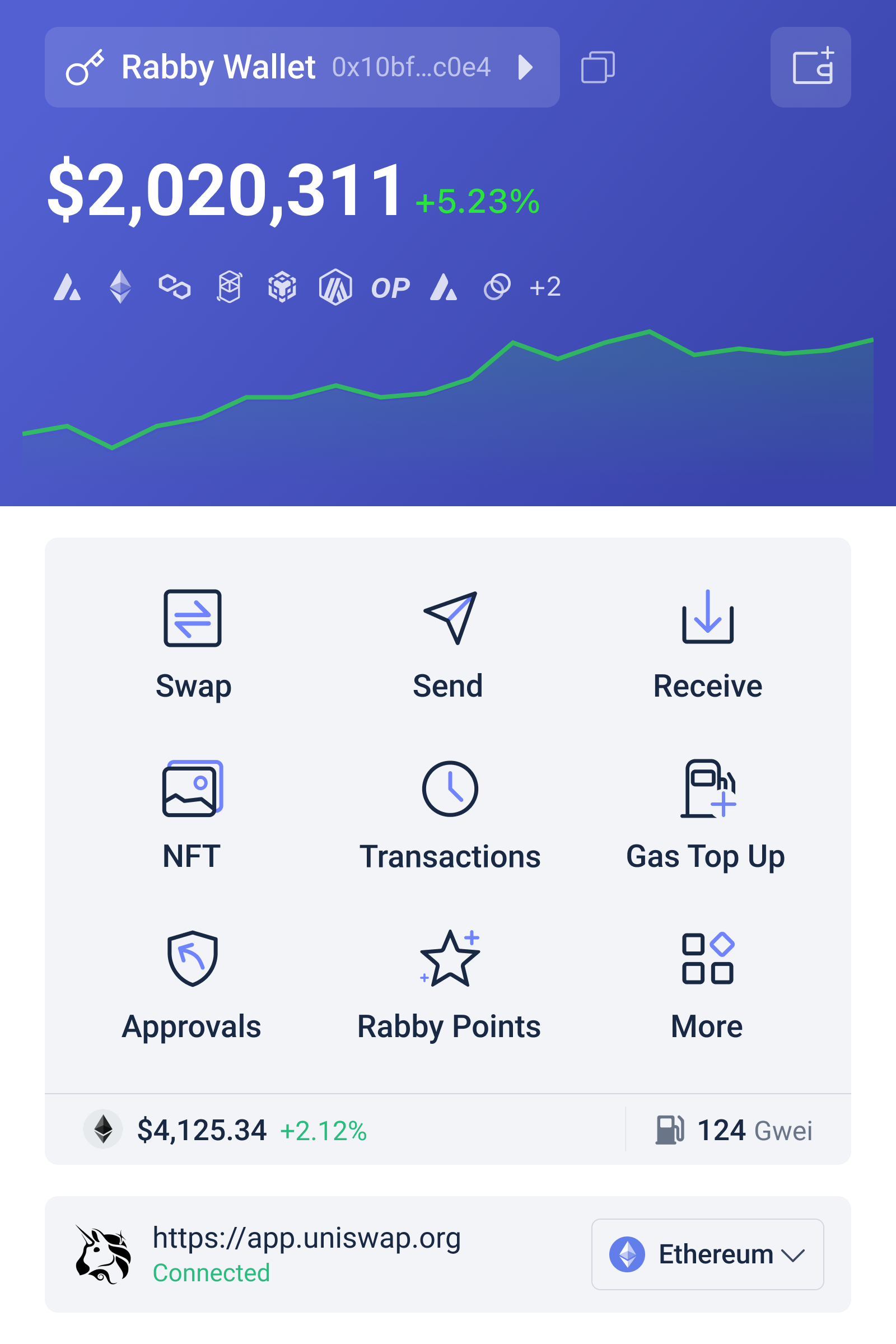
I’ve been playing with a few wallets lately that get a lot of this right. One in particular blends transaction simulation, approval hygiene, and multi-chain portfolio snapshots with clear tradeoffs shown. I liked how the tool flagged the approval hourglass — an approval that would let a contract spend forever — and suggested a safer allowance. That little nudge prevented an exploit in a hypothetical test net scenario. Small reminders like that compound into big safety wins over time. It felt thoughtful, not preachy.

How to pick a wallet today (practical checklist)

If you care about DeFi and you move money between protocols, ask for these things. First: transaction simulation with route transparency and failure modeling. Second: per-dapp permission scoping and easy revocation. Third: robust multi-chain support with nonce and RPC health management. Fourth: hardware wallet support that doesn’t make you suffer. Fifth: portfolio tracking that reconciles off-chain events like airdrops and on-chain staking. Sixth: MEV-aware options or private RPC relays for sensitive trades.

Try to test your chosen wallet against a staged scenario: migrate funds between two DEXes, bridge a small amount, and simulate a failed intermediate swap. Watch how the wallet handles nonce reuse, gas bumps, and recovery. Real-world stress tests tell you more than spec sheets. And if the wallet offers simulation logs you can export, even better — that’s auditable evidence for any treasury or compliance workflow.

For people deciding right now, consider a wallet that integrates both simulation and portfolio visibility. One such option I found useful in repeated tests is rabby — it balances safety tools with multi-chain convenience and has thoughtful defaults for approvals and simulation. Not an ad. Just a reccomendation from someone who values that combo for day-to-day DeFi moves. I’m not 100% sure it’s perfect for every case, but it’s a strong starting point.

Lastly, don’t forget backup and recovery practices. A fancy simulation suite doesn’t replace good key hygiene. Hardware keys, secure seed storage, and periodic audits of your connected apps remain essential. Use watch-only addresses for high-risk interactions, and if you’re running automation or bots, segregate accounts by role. That’s boring advice, but it’s the scaffolding that holds the rest together.

FAQ

Why simulate a transaction? Isn’t the gas estimate enough?

Gas estimation is just one variable. Simulation models execution outcomes, slippage, liquidity hops, and failure points. It answers: will this whole transaction sequence succeed at the quoted cost? Not just: will it get mined? That extra layer reduces failed txs and surprise losses.

How do wallets protect against MEV and sandwich attacks?

Some wallets offer MEV-aware routing, private RPCs, or relay options that bypass public mempools. Others recommend transaction timing or use gas strategies that make sandwiching less attractive. No silver bullet exists, but combining private submission with smart routing reduces risk considerably.

Are automated approval revocations safe?

They help, but can break workflows if applied blindly. The best approach is opt-in automation with grace periods and the ability to whitelist trusted contracts. Transparency and audit logs help teams manage the tradeoff between convenience and security.

Categories
Uncategorized

How I Track a DeFi Portfolio: Market Cap, Liquidity Pools, and Real-Time Signals

I’ve been doing this long enough to know one truth: metrics lie if you don’t know the context. First impression matters—market cap looks shiny, but that number can be as misleading as a glossy ad. I remember a morning in 2021 where a token’s market cap doubled overnight and my gut said “somethin’ feels off” before the charts even loaded. That hunch saved me a bad trade. Still, gut alone won’t cut it; you need systems, signals, and a workflow that surfaces the real risks and opportunities.

Here’s the short version: treat market cap as a headline, not the story. Treat liquidity pools as the engine room. And—maybe most critical—monitor real-time order flow and pool health continuously. You want to know whether a token can actually be bought or sold at scale without wrecking the price. That’s where tools that surface live liquidity, depth, and price impact become essential.

Okay, so check this out—this piece is practical. No fluff. I’ll walk through the measurements I use daily, the traps I keep getting pulled into, and a workflow that balances speed with safety. If you’re trading or managing a basket of tokens, you want a mix of on-chain signals, aggregated price data, and an eye for human behavior that shows up on-chain.

Chart showing token liquidity depth and market cap discrepancy

What Market Cap Really Tells You

Market cap is simple math: price times circulating supply. But—big caveat—circulating supply isn’t always what you think. Some projects inflate supply slowly, some lock tokens but with release schedules, and many still hold huge allocations in team wallets. So when you see a $100M cap, ask: how much of that market cap is actually liquid and tradeable? On one hand market cap gives scale. On the other hand it can mask concentration and fake breadth.

Practical checks I run: token distribution, vesting schedules, and on-chain holder breakdowns. I also check how much of the supply is sitting in exchanges or large wallets. If 30% of supply is in a handful of addresses, that ‘cap’ means less than it appears. Do this before you size a position; or you might be sizing into a squeeze.

Liquidity Pools: The Engine Room

Liquidity pools are where trades actually happen. TVL is useful, but depth at relevant price points matters more. A pool with $10M TVL but all concentrated in one range on an AMM with concentrated liquidity can still blow out on a 10% sell. I look at pool composition (ETH vs stablecoin), pool symmetry, and the slippage curve—how much price moves for each incremental buy or sell.

Impermanent loss? Yes, it bites. But for traders, IL is often less critical than immediate price impact during rebalances. If you’re providing liquidity as part of a portfolio strategy, model IL against expected fee income and against the alternative: letting the tokens sit in a wallet. Sometimes the trading fees offset IL; other times they don’t.

Oh, and by the way, embedded incentives matter. Some pools have aggressive farming rewards that change user behavior overnight. That can inflate apparent liquidity—people deposit for rewards, then yank funds when incentives end. Always check the durability of liquidity, not just the headline TVL.

Real-Time Signals & My Daily Workflow

Morning routine: check price action, pool depth, and any big wallet movements. Midday: review order flow and DEX spreads. Evening: reconcile positions with unrealized P&L and staking schedules. I use a mix of on-chain explorers, DEX aggregators, and a dedicated real-time dashboard to keep tabs.

A tool I use daily is dexscreener for live token scans and quick liquidity overviews. It lets me see token pairs, recent trades, and charts across multiple chains fast—which is crucial when markets move and you need to act before the next big whale does. Seriously, having that live visibility changed how I size entries.

Here’s a quick checklist I run before adding to a position:

  • Circulating vs total supply and vesting cliff dates
  • Top holder concentration (are there >5 wallets holding >50%?)
  • Pool depth for the pair I’ll trade and expected slippage at my order size
  • Recent inflows/outflows and any incentive programs running
  • Cross-chain bridges or wrapped tokens that could affect arbitrage

Common Mistakes That Still Trip People Up

One: assuming market cap equals liquidity. Two: ignoring exchange listings—tokens listed only on low-liquidity DEXs are easy to pump and dump. Three: underestimating gas and slippage, especially on crowded chains. I once tried to move a mid-size position during a gas spike; fees ate most of the profit. Rookie move. Learn from mine.

Also, herd behavior is a measurable risk. When incentives kick, everyone piles into the same LP and then exits at the same time. Watch token launches and incentive timelines closely. An incentive sunset can trigger a 20–40% liquidity drop in a weekend.

Risk Management: Position Sizing and Exit Plans

Position size should depend on both volatility and liquidity. If a trade looks great but the pool slippage would cost you 3–5% on entry and exit, cut the size. I typically tier entries across price bands to average into liquidity and reduce market impact. And always set a realistic exit: not a wishful stop, but a plan based on on-chain liquidity thresholds.

Withdrawals and human error matter too. Use multisigs for treasury, separate keys for trading, and document withdrawal authorities. Too many teams learn this the hard way.

FAQ

How do I tell if a market cap is artificially inflated?

Look at token distribution and vesting. Check centralized exchange listings and any token minting mechanics. If supply is opaque or a few wallets hold disproportionate allocations, treat the cap skeptically.

What’s the single best liquidity metric to watch?

Depth at relevant price points. TVL is nice, but the slippage curve—how much price moves for incremental trades—is the real test of whether you can scale in or out without severe impact.

Can I rely on liquidity incentives?

They help, but they’re temporal. Use incentives to your advantage, but plan for the moment they end. Model worst-case liquidity post-incentive before you commit large sums.

Categories
Uncategorized

Unterschiede zwischen Desktop- und Mobile-Blackjack-Erlebnissen in führenden Casinos

Inhaltsverzeichnis

Benutzerinteraktion: Wie differieren Spielsteuerung und Eingabemethoden?

Touch-optimierte Steuerung versus Maus- und Tastaturbedienung

Auf Desktop-Computern ermöglicht die Nutzung von Maus und Tastatur eine präzise Steuerung bei Blackjack, wodurch komplexe Spielzüge und schnelle Reaktionen erleichtert werden. Das Klicken auf Karten, Buttons oder Einsatzfelder ist intuitiv und erlaubt eine feine Eingabegenauigkeit. Im Gegensatz dazu setzen mobile Blackjack-Versionen primär auf Touch-Input. Spieler tippen, wischen oder ziehen Karten, was eine andere Nutzererfahrung schafft. Diese Eingabemethode ist weniger präzise, aber durch gut gestaltete Steuerungselemente wird die Nutzung dennoch flüssig gestaltet. Beispielsweise verwenden mobile Spiele größere Buttons, um Tippfehler zu vermeiden, und optimieren die Bedienung für Einhand-Nutzung.

Reaktionszeiten und Eingabegenauigkeit auf verschiedenen Geräten

Beim Desktop sind kurze Reaktionszeiten und präzise Eingaben durch die Maus vs. Tastatur üblich, was professionelle Spieler ansprechen kann. Mobile Geräte hingegen können durch verzögerte Touch-Response oder ungenaue Eingaben herausgefordert werden, insbesondere bei schwacher Internetverbindung oder minderer Hardwareleistung. Eine Studie der University of Surrey zeigt, dass mobile Nutzer bei schnellen Entscheidungen eine um 25 % langsamere Reaktionszeit aufweisen, was Einfluss auf das Spielverhalten haben kann.

Optimierung der Nutzerführung für mobile Bildschirme

Mobile Blackjack-Apps verwenden spezielle UI-Designs, um die Nutzerführung intuitiv zu gestalten. Klare visuelle Hinweise, Vorhersehbare Aktionen und kurze Menüs minimieren den Aufwand beim Spiel. Beispielsweise sind Multi-Touch-Gesten wie Wischen für das Stapeln oder Ziehen von Karten eingebaut. Solche Optimierungen erhöhen die Spielgeschwindigkeit und verringern Frustration bei der Verwendung kleiner Bildschirme. Wenn Sie mehr über die Plattformen erfahren möchten, können Sie sich auf <a href=”https://dragonia-casino.de”>www.dragonia-casino.de</a> informieren.

Grafische Darstellung und visuelle Gestaltung in verschiedenen Plattformen

Anzeigequalität und Bildschirmauflösung in Desktop- und Mobile-Versionen

Desktop-Versionen bieten in der Regel eine höhere Auflösung (oft 1080p oder 4K), was detailliertere Grafiken und schärfere Bilder ermöglicht. Mobile Versionen hingegen passen die Grafiken an kleinere Bildschirme an, um Ladezeiten zu minimieren, ohne die visuelle Qualität zu stark einzuschränken. High-Definition-Visuals bleiben erhalten, aber bei älteren oder weniger leistungsfähigen Geräten müssen Entwickler Kompromisse bei der Grafik eingehen, was gelegentlich zu leicht unscharfen oder weniger detaillierten Karten und Hintergründen führt.

Design-Anpassungen für kleinere Bildschirme

Um die intuitive Bedienung auf Mobilgeräten zu gewährleisten, setzen Casinos auf adaptive Designs, die Elemente wie Spieltisch, Karten und Buttons größer und weniger überladen darstellen. Das Layout wird oftmals vertikal ausgerichtet, um per Scrollen alle Spieloptionen übersichtlich zugänglich zu machen. Das Ergebnis ist eine reduzierte visuelle Komplexität, die die Lesbarkeit und Bedienbarkeit verbessert, ohne den Spielspaß einzuschränken.

Animationen und visuelle Effekte: Unterschiede in Performance und Wirkung

Animationen tragen maßgeblich zur Atmosphäre bei, sind aber auf mobilen Geräten oft eingeschränkter, um Performance-Probleme zu vermeiden. Während auf Desktop-Blackjack-Versionen aufwendige 3D-Effekte, flüssige Bewegungen und Soundeffekte üblich sind, werden mobile Versionen meist auf einfachere Animationen setzen. Dadurch wird die Nutzererfahrung zwar weniger „opulent“, aber stabil und reaktiv, was entscheidend ist, um Wartezeiten oder Abstürze zu minimieren.

Technische Performance und Ladezeiten bei verschiedenen Geräten

Ladezeiten und Datenverbrauch in mobilen Netzwerken vs. Desktop-Verbindungen

Desktop-Casinos profitieren von schnellen Breitbandverbindungen, die Ladezeiten meist innerhalb von Sekunden ermöglichen. Mobile Nutzer hingegen sind häufig auf mobile Daten angewiesen, die zu höheren Latenzen und Datenverbrauch führen. Für eine optimale Nutzererfahrung optimieren Entwickler mobile Versionen durch Komprimierung von Grafiken, Lazy Loading und minimierte Script-Nutzung. Dadurch bleiben Ladezeiten kurz, auch bei schwächeren Netzwerken.

Optimierung der Spiellogik für unterschiedliche Hardwarekapazitäten

Mobile Geräte haben oft begrenzte Prozessorleistung und RAM. Entwickler passen die Spiellogik entsprechend an, indem sie auf ressourcenintensive Effekte verzichten und effizientere Programmierung einsetzen. Automatisierte Tests auf verschiedenen Mobilgeräten stellen sicher, dass das Spiel auch bei älteren Modellen stabil läuft, was sonst zu Verzögerungen oder Abstürzen führen kann.

Stabilität und Fehleranfälligkeit auf mobilen Geräten im Vergleich zum Desktop

Aufgrund der unterschiedlichen Hardware- und Betriebssystem-Varianten kann die Stabilität schwanken. Studien zeigen, dass mobile Casino-Apps eine 15 % höhere Absturzrate aufweisen als Desktop-Webversionen. Umso wichtiger sind regelmäßige Updates, Fehlerbehebungen und Optimierungen, die speziell auf die jeweiligen Plattformen abgestimmt sind.

Sicherheitsaspekte und Datenschutz in mobilen und stationären Umgebungen

Implementierung von Verschlüsselungstechnologien auf mobilen Plattformen

Moderne Casinos verwenden SSL/TLS-Verschlüsselung, um Daten bei mobilen Transaktionen zu schützen. Mobile Plattformen setzen zunehmend auf biometrische Authentifizierung (z.B. Fingerabdruck, Gesichtserkennung), um zusätzlich Sicherheit zu gewährleisten. Diese Technologien erfüllen aktuelle Datenschutzstandards und minimieren das Risiko unbefugten Zugriffs.

Benutzeridentifikation und Authentifizierung bei verschiedenen Geräten

Registrierungs- und Login-Verfahren variieren: Desktop-Nutzer profitieren meist von klassischen Login-Methoden, während mobile Nutzer oft auf Single Sign-On oder biometrische Verfahren zurückgreifen. Eine sichere Authentifizierung verhindert Kontodatenmissbrauch und erhöht das Vertrauen in die Plattformen.

Risiken durch unsichere Netzwerke und Schutzmaßnahmen

Especially mobile users face increased risks when connecting via unprotected Wi-Fi oder öffentlichen Netzwerken. Casinos setzen auf VPNs und zusätzliche Sicherheitssoftware, um Datenverkehr zu verschlüsseln. Darüber hinaus empfiehlt es sich, mobile Apps nur aus offiziellen Stores herunterzuladen und regelmäßig Updates durchzuführen.

Spielangebote und Bonusstrukturen für mobile Nutzer im Vergleich zu Desktop-Spielern

Exklusive Boni für mobile Anwendungen

Viele Casinos bieten spezielle Einzahlungs- oder Willkommensboni für Nutzer, die ihre mobilen Apps verwenden. Diese Boni dienen zur Steigerung der mobilen Nutzung und umfassen oft Free Spins oder Cashback-Angebote, die nur auf mobilen Plattformen erhältlich sind. Händler setzen auf solche Incentives, um die Nutzerbindung zu fördern.

Verfügbarkeit unterschiedlicher Spielvarianten auf den Plattformen

Während Desktop-Versionen ein breiteres Spektrum an Varianten anbieten (z.B. High-Stakes-Tische oder spezielle Varianten), konzentrieren sich mobile Plattformen auf eine Auswahl der beliebtesten Varianten, um die Bedienbarkeit zu gewährleisten. Dennoch investieren Casinos in die Optimierung weiterer Optionen für unterwegs, um Flexibilität zu gewährleisten.

Einfluss von Bonusangeboten auf das Spielverhalten in beiden Umgebungen

Bonusangebote beeinflussen die Spielgewohnheiten erheblich. Mobile Nutzer sind häufiger geneigt, spontan und unterwegs zu spielen, besonders wenn sie bei Boni für mobile Nutzung belohnt werden. Studien belegen, dass die durchschnittliche Einsatzhöhe bei mobilen Spielern um 20 % höher liegt, was wiederum positive Effekte auf Umsatz und Bindung hat.

Praktische Nutzungsszenarien: Wann und wo spielen Nutzer auf mobilen Geräten versus Desktop?

Blackjack-Spiel im Alltag unterwegs versus zuhause

Im Alltag greift die Mehrheit der Nutzer auf mobile Geräte zurück, um kurze Spielpausen zu füllen oder unterwegs zu spielen. Bei längeren Sitzungen oder strategischerem Spiel bevorzugen viele Desktop-Umgebungen, die eine bessere Übersichtlichkeit und Komfort bieten. Diese Verteilung lässt sich durch Nutzerumfragen belegen, die eine klare Präferenz für mobile Nutzung bei spontanen Spielen zeigen.

Einfluss von Nutzergewohnheiten auf Spielpräferenzen

Langjährige Nutzer entwickeln mit der Zeit Präferenzen: Gelegenheitsspieler favorisieren mobile Plattformen, während professionelle oder strategisch orientierte Spieler den Desktop bevorzugen. Casinos analysieren das Nutzerverhalten, um personalisierte Angebote zu erstellen und mehr mobil zu binden.

Mobilität und Flexibilität: Auswirkungen auf das Spielverhalten

Die Mobilität fördert spontane Spielentscheidungen und erhöht die Gesamtdauer der Spielzeit. Nutzer können überall und jederzeit Blackjack spielen, was die Nutzerbindung stärkt. Eine Studie der Gambling Research Group zeigt, dass mobile Spieler durchschnittlich 30 % mehr Spielzeiten pro Monat aufweisen als Desktop-Spieler.

Auswirkungen auf das Casino-Management und die Nutzerbindung

Analyse der Nutzerbindung bei unterschiedlichen Plattformen

Marktdaten belegen, dass mobile Nutzer im Durchschnitt eine längere Bindungsdauer aufweisen, was auf die Bequemlichkeit und einfache Zugänglichkeit zurückzuführen ist. Casinos setzen auf personalisierte Push-Benachrichtigungen und exklusive mobile Boni, um die Loyalität zu steigern.

Maßnahmen zur Steigerung der Mobilnutzung und -bindung

Implementierung von exklusive Mobil-Boni, verbesserte App-Usability und Gamification-Elemente sind bewährte Strategien. Laut einer Studie der International Gaming Association kann die mobile Nutzerbindung durch gezielte Marketingmaßnahmen um bis zu 40 % erhöht werden.

Messung der Produktivitäts- und Umsatzunterschiede zwischen Desktop- und Mobile-Spielern

Umsatzanalysen zeigen, dass mobile Spieler oft höhere durchschnittliche Einsätze tätigen, was sich in einem um 25 % höheren Durchschnittsumsatz widerspiegeln kann. Allerdings ist der Gesamterlös je nach Plattform stark vom Nutzerverhalten und der Verfügbarkeit attraktiver Boni abhängig.