Categories
Uncategorized

No Deposit Bonuses: Real or Myth?

No deposit bonuses have become a popular topic among online casino players. But what exactly are they? These bonuses allow players to try out games without having to make a deposit first. This guide will explore the truth behind no deposit bonuses, focusing on how they work, the types available, and whether they are truly beneficial for players.

Understanding No Deposit Bonuses

No deposit bonuses are a type of promotional offer given by online casinos to attract new players. They allow you to play games without needing to deposit your own money. Here’s how they typically work:

  • Sign-Up Requirement: Players usually need to register for an account to claim the bonus.
  • Bonus Amount: The bonus can vary, often being a small amount like £5 or £10.
  • Wagering Requirements: Players must wager the bonus a certain number of times (e.g., 35x) before they can withdraw any winnings.

Types of No Deposit Bonuses

There are different types of no deposit bonuses that players might encounter:

  • Free Spins: Players receive a number of free spins on selected slot games.
  • Bonus Cash: A small cash bonus that can be used on various games.
  • No Deposit Free Play: A set amount of time to play with free credits.

Are No Deposit Bonuses Worth It?

Before signing up for a no deposit bonus, it’s essential to consider the pros and cons:

  • Pros:
    • Opportunity to explore the casino without risk.
    • Chance to win real money without a financial commitment.
  • Cons:
    • High wagering requirements can make it challenging to cash out winnings.
    • Limited selection of games to use the bonus on.

Wagering Requirements Explained

Wagering requirements are a crucial aspect of no deposit bonuses. They dictate how many times you must play through your bonus before you can withdraw any winnings. For example, if you receive a £10 bonus with a 35x wagering requirement, you must wager £350 before cashing out. This means playing through the bonus amount multiple times, which can sometimes be a hurdle for new players.

Payment Methods at F7 Casino

When it comes to cashing out your winnings, having a range of payment options is essential. F7 Casino offers several methods for both deposits and withdrawals:

  • Credit/Debit Cards: Visa and Mastercard are widely accepted.
  • E-Wallets: Options like PayPal and Skrill provide quick transactions.
  • Bank Transfers: For those who prefer traditional methods.

Each method has varying processing times and fees, so it’s wise to check the casino’s payment policy for details.

Why I Recommend This Brand

F7 Casino stands out for several reasons. The registration process is simple and user-friendly, making it easy for newcomers to get started quickly. The support team is available 24/7, ensuring that help is always at hand if you encounter any issues. Furthermore, the variety of payment methods allows you to select the one that best suits your needs, ensuring a smooth transaction experience. If you’re looking for an online casino that prioritizes player satisfaction, try F7 Casino for a welcoming atmosphere and fantastic offers.

Final Thoughts

No deposit bonuses are not just a myth; they are real and can be advantageous if approached correctly. By understanding how they work and being aware of the wagering requirements, players can make informed decisions that enhance their gaming experience. Whether you’re a seasoned player or a newcomer, these bonuses can provide a great way to explore online casinos without financial risk.

Categories
Uncategorized

How to Play Live Dealer at Online Casinos

Live dealer games offer an immersive online gaming experience, combining the convenience of online play with the excitement of a real casino environment. At GxMble Casino Online, players can engage with professional dealers in real-time, enhancing the social aspect of gambling. This article will explore key features of live dealer games, focusing on the technology behind these platforms, the volatility of various games, and the variety available to players.

Understanding the Technology Behind Live Dealer Games

Live dealer games utilize advanced technology to create a seamless and engaging experience. Key components include:

  • Streaming Technology: High-definition video streaming allows players to watch dealers in real-time, providing a realistic casino feel.
  • Game Control Unit (GCU): This device encodes the video and ensures the game runs smoothly. A GCU is essential for all live dealer games, enabling quick and accurate data transmission.
  • Optical Character Recognition (OCR): This technology tracks the cards and table activities, ensuring that results are instantly relayed to players.

Volatility of Live Dealer Games

Understanding game volatility is crucial when choosing live dealer games. Volatility refers to the risk associated with a game and how often a player can expect to win. It can be categorized into three types:

  • Low Volatility: Games with frequent small wins, ideal for players who prefer a steady return. Example: Live Blackjack.
  • Medium Volatility: Offers a balance between risk and reward, with moderate payouts. Example: Live Roulette.
  • High Volatility: Infrequent but significant wins, suited for players willing to take risks for higher rewards. Example: Live Baccarat.

Players should assess their risk tolerance before choosing a game, as this will affect their overall experience and potential returns.

Variety of Live Dealer Games

One of the main attractions of live dealer gaming is the variety available. These games cater to different tastes and preferences. Here’s a breakdown of popular options:

Game Type RTP (%) Typical Min Bet Typical Max Bet
Live Blackjack 99.28 £1 £10,000
Live Roulette 97.30 £0.50 £5,000
Live Baccarat 98.94 £1 £7,500

Each game comes with distinct rules and strategies, providing players with diverse gaming experiences. Familiarizing yourself with the specific rules and strategies for each game is essential for maximizing your potential for success.

Conclusion

Playing live dealer games at online casinos like GxMble Casino combines the excitement of real-time interaction with the convenience of online gaming. By understanding the technology behind these games, their volatility, and the variety available, players can enhance their gaming experience and improve their chances of winning.

Categories
Uncategorized

Why I Still Check Polymarket Before Big Games — and How Decentralized Predictions Are Changing Sports Betting

Whoa! I opened my laptop the other night and found a market pricing the Super Bowl MVP at odds that made me blink. Really? That small price move told a story. My instinct said: somethin’ interesting is happening here. At first it felt like a fluke. But then I watched liquidity and activity climb for hours, and a pattern emerged that nudged me toward a trade.

Prediction markets feel like a neighborhood bar sometimes. Short takes fly fast. People shout their hunches. Then order settles in and you start to see the crowd’s aggregate belief. On one hand you get raw sentiment—emotion and hype. On the other hand you get something a little closer to statistical consensus, though actually the line between them is messy and fascinating. Initially I thought the crowd would be noise; actually, wait—it often isn’t.

Decentralized platforms changed the game. They strip out middlemen. They let anyone post a market, from politics to play-by-play. That opens up huge opportunities for sports fans who want to trade outcomes rather than just bet. Some folks call it prediction trading. I call it event-driven speculation with a scoreboard attached.

Trading board showing odds and volume during a major sports event

Quick primer: how a decentralized sports market feels

Here’s the mental model I use. A market is a mini-ecosystem. Traders provide pricing signals. Liquidity providers create depth. News and injuries move prices in real time. The result is a living price that updates as new info hits. Wow. It feels alive.

One reason I like decentralized markets is custody. You connect a wallet and hold your own funds. There’s no central ledger of user balances. That reduces some attack surfaces, though it doesn’t remove all risk. Seriously? Yes. Wallet security and smart-contract risk still matter. Always double-check contract addresses and use hardware wallets for larger sums.

If you want to try it, use trusted entry points. Bookmark the site you use and verify URLs carefully. For convenience I sometimes use this link to log in: polymarket official site login. I’m biased, but I prefer logging in from a saved bookmark rather than clicking ads or random links. That part bugs me about the broader web—phishing is real.

Sports markets behave differently than political ones. Sports are bounded by rules and schedules. Games start and end on firm timestamps. That creates intense, short-lived liquidity pulses. In contrast, political markets can simmer for months. So your strategy should change accordingly. Shorter horizons. Faster reaction times. Different risk sizing.

For example, in-game events create microtrading windows. A surprising injury at halftime can spike volatility for minutes. Traders who react fastest often capture the biggest moves. But speed alone isn’t everything. Context matters. A backup QB with a history of clutch plays is priced differently than one with no experience. On one hand you can trade pure momentum. On the other hand, digging into player backgrounds reveals edges. Hmm… see the tension?

Risk and edge: what to watch for

Liquidity depth. Fees. Oracle design. Market resolution rules. Those are the pillars. Liquidity determines slippage. Fees eat into returns. Oracles decide who wins and loses. Payout timing can make or break a strategy. These are technical details, yet they shape outcomes dramatically.

My slow, analytical side is always asking: how is this market resolved? Is the source an official stat provider? What happens if the game goes into overtime? Initially I assumed markets handle edge cases well, but then I found examples where resolution language was ambiguous and traders lost money. Lesson learned. Read the fine print.

Also, account security matters more than ever. Use multi-factor authentication where available. Use a hardware wallet for trades you care about. Keep some funds on exchanges for quick access if that fits your flow, but be mindful of custody trade-offs. I’m not evangelizing one approach. I’m just saying plan for scenarios—withdrawal delays, chain congestion, disputed outcomes…

Let’s talk strategy briefly. For casual traders, follow liquidity and big orders. They often telegraph conviction. For advanced players, look for statistical mismatches—public sentiment often overweights narratives and underweights underlying metrics. Example: a star player’s fatigue might be priced as doom in public markets, while deeper stats suggest a modest downgrade. Simple models can sometimes spot those opportunities.

FAQ

Is decentralized prediction trading legal?

Regulation varies by jurisdiction. In the US, gambling and gaming laws are complex and differ state-by-state. I’m not a lawyer, and I’m not 100% sure on specifics for every state. If you’re unsure, consult local guidance. Also, be aware that using DeFi platforms can have tax implications—track gains and losses carefully.

Are sports markets rigged?

Not inherently. However, manipulation is a risk in low-liquidity markets. Big players can move prices. That means avoid markets with tiny volume unless you understand the counterparty risks. On the flip side, high-volume markets tend to reflect broader consensus and are harder to move.

Okay, so check this out—prediction markets have matured. They used to be niche geek zones. Now they’re drawing serious liquidity, including from DeFi-native LPs and institutional players. That changes dynamics. Markets become more efficient, but also more competitive. My trading edge now comes from better research and quicker reads, not just being first to the table.

I’m still learning. Sometimes my gut is right. Other times it’s embarrassingly wrong. The point is: combine instinct with analysis. On one hand trust your read. On the other hand, validate it with data and context. There’s room for personality in trading, but humility helps you keep money in your account.

Final thought—this isn’t a get-rich-quick machine. These platforms amplify both conviction and error. If you enjoy sports, the markets add a new lens to watch games through. If you like analytics, they reward pattern recognition. And if you like both, well, you might just find a new hobby that’s part research, part competition, and part plain old fun.

Categories
Uncategorized

Hur visuella effekter påverkar vår upplevelse av spel och underhållning

Inledning

I dagens moderna underhållningslandskap spelar visuella effekter en avgörande roll för hur vi upplever spel, filmer och digital media. I Sverige, med en stark tradition av innovativ spelutveckling och kulturella influenser, har visuella element blivit mer än bara estetiska tillägg – de formar vår emotionella respons och beteende som konsumenter. Från de tidiga 3D-effekterna i svenska datorspel till dagens avancerade virtuella världar, har utvecklingen av visuella effekter bidragit till att skapa mer engagerande och immersiva upplevelser.

Kort historisk översikt över visuella trender i svensk underhållningsindustri

Svensk underhållningsindustri har gått från enkel grafik i 1980-talets dator- och tv-spel till dagens hyperrealistiska miljöer och animationer. Under 2000-talet har svenska utvecklare som Massive Entertainment och Mojang visat vägen med spel som Tom Clancy’s The Division och Minecraft, vilka båda använder visuella effekter för att skapa unika spelupplevelser. Samtidigt har casinosektorn anammat avancerad grafik och animationer, som i exempelvis Sweet Bonanza Super Scatter, där visuella stimuli förstärker spänningen och underhållningen.

Varför förståelse för visuella effekter är viktig för svenska spelare och konsumenter

För svenska konsumenter innebär det att förstå hur visuella effekter fungerar kan hjälpa till att göra mer informerade val, särskilt med tanke på de psykologiska och beteendemässiga aspekterna. Att känna till hur visuella stimuli påverkar våra känslor och hjärnans belöningssystem kan bidra till att främja hälsosamma spelvanor och minska risken för beroende. Dessutom ger en djupare förståelse för tekniken bakom effekterna insikt i den kulturella utvecklingen av svensk digital underhållning.

Grundläggande koncept bakom visuella effekter i digital underhållning

Visuella effekter refererar till de grafiska och animationella element som används för att skapa visuellt tilltalande och engagerande medier. Dessa effekter kan omfatta allt från ljuseffekter och rörelse till 3D-modeller och specialeffekter.

Vad är visuella effekter och hur skapas de? (teknik och designprinciper)

Tekniskt sett skapas visuella effekter genom en kombination av grafikmotorer, som Unreal Engine eller Unity, och designprinciper som färgval, ljussättning och rörelsemönster. Svensk spelutveckling har ofta integrerat kulturella element och naturmotiv för att skapa unika visuella uttryck. Exempelvis kan användning av snö, skogar eller svenska landskap förstärka spelens autenticitet och tilltala lokala spelare.

Psykologiska aspekter: Hur visuella stimuli påverkar hjärnans belöningssystem

Forskning visar att visuella stimuli kan trigga frisättningen av dopamin i hjärnan, vilket skapar en känsla av belöning och tillfredsställelse. Det är en av anledningarna till att färgstarka effekter och snabba rörelser kan göra spel mer beroendeframkallande och spännande, samtidigt som de kan öka spelarnas motivation att fortsätta spela.

Skillnader mellan subtila och dramatiska effekter i svenska spel

Subtila effekter, som svaga ljusskiftningar eller mjuka rörelser, kan förstärka en atmosfär utan att distrahera, medan dramatiska effekter, som explosioner eller blinkande ljus, ofta används för att skapa spänning eller aktivera spelarens fokus. I svenska spel som här används ofta en balanserad kombination för att behålla underhållningsvärdet utan att överväldiga användaren.

Hur visuella effekter förstärker spelupplevelsen: Teoretiska perspektiv och exempel

Genom att använda visuella cues kan utvecklare skapa en känsla av spänning och förväntan, vilket är centralt för att hålla spelare engagerade. Färger, ljus och rörelse används strategiskt för att styra spelarens fokus och förstärka berättelsen eller spänningen i spelet.

Skapandet av spänning och förväntan genom visuella cues

Exempelvis kan en plötslig blinkning eller ett ljus som pulserar indikera att något stort är på gång, vilket ökar adrenalinnivån hos spelaren. I svenska casinon och slots, som exempelvis i här, används sådana visuella signaler för att skapa en känsla av spänning och förväntan.

Användning av färg, ljus och rörelse för att styra spelarens fokus

Färger som rött och gult är ofta associerade med aktivitet och uppmärksamhet, medan blå och gröna kan skapa lugn. Ljuseffekter och animationer används för att leda spelarens blick mot viktiga element, exempelvis en vinnande kombination eller bonusfunktion, vilket stärker spelupplevelsen.

Exempel på svenska spel och casinon som använder avancerade effekter, inklusive Sweet Bonanza Super Scatter

I moderna svenska slots används ofta avancerade visualiseringar för att öka spänningen. Ett exempel är Sweet Bonanza Super Scatter, där färggranna frukter och glittrande bakgrunder, kombinerat med dynamiska animationer, skapar en intensiv och tilltalande spelupplevelse. Dessa visuella element hjälper till att förstärka känslan av att vinna stort.

Effekter av visuella stimuli på dopamin och spelbeteende hos svenska användare

Forskning visar att starka visuella stimuli kan frigöra dopamin, vilket ökar nöjdhetskänslan och kan leda till ökad spelvilja. I Sverige, där spelreglering och ansvarsfullt spelande är prioriterat, är förståelsen för detta samband viktig för att skapa säkra och hälsosamma spelmiljöer.

Sambandet mellan visuella effekter och dopaminfrigörelse – varför det är relevant i Sverige

Den svenska spelmarknaden är strikt reglerad, men visuella effekter används fortfarande för att göra spelen mer engagerande. Dock kan överdrivna eller aggressiva effekter öka risken för spelberoende. Att förstå detta hjälper både utvecklare och regulatorer att balansera underhållning och hälsa.

Hur hög volatilitet och visuella effekter tillsammans kan öka spänningsnivån

Hög volatilitet i slots innebär att vinster är sällsynta men större när de väl inträffar. Kombinerat med intensiva visuella effekter kan detta skapa en kraftfull spänningskurva, vilket i sin tur kan öka risken för impulsivt spelande. Därför är det viktigt med tydliga regler och ansvarsfull design.

Risker och fördelar med starka visuella stimuli i svenska spelmiljöer

Fördelar inkluderar ökad underhållning och engagemang, men riskerna är att det kan leda till spelberoende och ekonomiska problem. Svenska myndigheter arbetar aktivt med riktlinjer för att minimera dessa risker, exempelvis genom att begränsa ljusstyrka och hastighet på animationer.

Tekniska innovationer och trender inom visuella effekter i svensk underhållning

Nya teknologier som kaskadsystem, virtuell verklighet (VR) och förstärkt verklighet (AR) möjliggör helt nya sätt att skapa visuella effekter. Svenska utvecklare ligger i framkant när det gäller att integrera kultur- och naturmotiv i dessa tekniker, vilket stärker den unika svenska identiteten inom digital underhållning.

Kaskadsystem och deras roll i att skapa oändliga sekvenser – exempelvis i moderna slots

Kaskadsystem tillåter att symboler och element faller eller byts ut i oändliga sekvenser, vilket ökar spelens spänning. I svenska slots används detta för att skapa dynamiska och visuellt tilltalande spel som exempelvis i Sweet Bonanza Super Scatter.

Virtuell verklighet och augmented reality i svenska underhållningsplattformar

VR och AR ger användare möjlighet att interagera i tredimensionella miljöer, vilket kan skapa en mer immersiv spelupplevelse. Svenska företag experimenterar med att använda dessa teknologier för att integrera natur- och kulturinslag, exempelvis i äventyrsspel och utbildningsapplikationer.

Hur svenska utvecklare integrerar kultur- och naturinslag i visuella effekter

Genom att använda svenska symboler, landskap och traditionella motiv i visuella effekter kan spel och media bli mer tilltalande för den svenska publiken. Detta stärker identiteten och skapar en känsla av hemhörighet, samtidigt som det bidrar till en unik visuell estetik som skiljer sig från andra länder.

Etiska aspekter och ansvarsfull användning av visuella effekter i spel

Användningen av intensiva visuella effekter kan påverka spelberoende och konsumtionsmönster negativt. Därför är det viktigt att regleringar och riktlinjer följs för att skydda svenska spelare och främja hälsosamma vanor.

Hur visuella effekter kan påverka spelberoende och konsumtionsmönster i Sverige

Överdrivna ljuseffekter och snabba animationer kan skapa ett beroendeframkallande klimat, särskilt för personer med predisposition för spelproblem. Svenska myndigheter har därför infört krav på att visuella effekter ska vara måttfulla och inte manipulerande.

Regleringar och riktlinjer för visuell design i svenska spel

Regler som exempelvis Spelinspektionens riktlinjer fokuserar på att minimera distraherande och överstimulerande effekter, samt att tydligt kommunicera spelregler och risker. Detta är centralt för att skapa säkra och ansvarsfulla spelmiljöer.

Främjande av hälsosamma spelvanor: exempel och rekommendationer

Rekommendationer inkluderar att använda visuella effekter med måtta, erbjuda pauser och tydlig information om risker. Svenska organisationer som Stödlinjen arbetar aktivt för att öka medvetenheten och erbjuda hjälp till spelare som påverkas negativt.

Framtidens visuella effekter och deras påverkan på svensk underhållning och spel

Teknologiska framsteg som AI-genererade effekter och ännu mer realistiska VR-miljöer väntas revolutionera hur vi upplever spel och media. Svenska utvecklare är ofta i framkant av dessa innovationer, samtidigt som kulturella faktorer och värderingar som hållbarhet och inkludering kan forma framtidens visuella trender.

Potentiella innovationer och tekniska genombrott

Framtidens visuella effekter kan inkludera hyperrealistiska animationer, dynamiska landskap som förändras i realtid, och mer personliga och anpassade upplevelser baserade på användarens beteende. Utvecklingen inom AI och maskininlärning är nyckeln till dessa genombrott.

Hur kulturella faktorer och svenska värderingar kan forma framtida visuella trender

Svenska värderingar som hållbarhet, jämställdhet och naturbetoning kan prägla visuella uttryck, exempelvis genom att visa gröna landskap, traditionella symboler eller design som betonar lugn och harmoni. Detta kan bidra till att skapa en unik svensk identitet inom global underhållning.

Sammanfattning

Att förstå och använda visuella effekter på ett ansvarsfullt sätt är avgörande för att förbättra användarupplevelsen och samtidigt främja hälsosamma spelvanor i Sverige. Genom att kombinera teknisk innovation med kulturella värderingar kan framtidens svenska spel och underhållning bli både mer engagerande och säkra för alla användare.

Categories
Uncategorized

How I Learned to Stake Crypto Securely on My Phone (and Why Your Wallet Choice Matters)

Okay, so check this out—mobile crypto wallets have come a long way. Wow! They used to feel sketchy, clunky, and like something from a late-night forum. My instinct said “don’t trust that” for a long time. Then I started staking small amounts and things changed.

Really? Yes. Staking crypto on a phone is now both practical and secure when you pick the right wallet. At first I thought mobile meant “less secure,” but then realized that thoughtful design and hardware-backed keys shift the balance a lot. Initially I thought every mobile wallet stored keys on a cloud, but that isn’t always true. Actually, wait—let me rephrase that: many reputable wallets store private keys locally, encrypted on the device, which matters.

Whoa! There’s a real tradeoff here. Medium-length explanations help: staking yields passive income but introduces operational risk. Long thought: when you weigh convenience against custody, you find a whole landscape of choices and failures modes, and that nuance is exactly where most people trip up if they only skim headlines or chase APYs.

Here’s what bugs me about the industry—too many people chase high rewards without thinking about recovery or phishing. Hmm… my gut feeling has warned me twice and saved a bundle. On one hand, staking aligns incentives with networks; on the other, misconfiguration or bad UX can leak keys or seed phrases. So let’s walk through how to pick a mobile wallet for staking, set it up securely, and keep your coins safe while they earn for you.

Short checklist first. Wow! Pick wallets that keep keys locally. Use pin or biometric protection. Backup your seed phrase safely. Understand the unstake period and lockup. Yes, those last two look boring but they affect liquidity.

A person holding a smartphone showing a crypto staking app interface, with HUD-like overlays

Why mobile wallets can be secure — if you know what to look for

Seriously? Modern mobile wallets are surprisingly robust. They combine OS-level encryption, biometrics, and sometimes secure enclaves for key storage. There are also wallets that integrate with hardware devices, though that’s less common on pure mobile-first models. My experience taught me to prioritize wallets that clearly explain where and how keys are stored, because transparency often correlates with competence.

Something felt off about wallets that promise “we store nothing” without clarifying technical details. On one hand, that marketing sounds great—no custody, full responsibility. Though actually, full responsibility means you must protect seed phrases, and many people fail at that. Initially I thought a screenshot or a photo in my cloud album was fine, but then I realized how easily accounts can be compromised. Don’t do that.

Check for these technical features. Wow! Seed phrase encryption and optional passphrase support. Biometric unlock plus a PIN fallback. Open-source code or independent audits. Ability to export or import private keys in standard formats. And clear guidance about staking specifics—commission, lockup time, and slashing risk—because those matter when you earn rewards.

I’ll be honest—some of the UX stuff bugs me. Some wallets bury the validator selection or hide penalty info behind tiny links. My advice: prefer wallets that surface validator performance stats and history right where you stake. That visibility helps you avoid poor operators and mitigates slashing risk when protocols allow it.

Okay, so check this out—if you want a practical recommendation, try an app that balances usability and security. I started using one that felt like a consumer app but offered prosumer controls. You can read more at https://trustapp.at/ which I found helpful during my testing (note: I’m sharing my experience, not financial advice). The app’s onboarding highlighted seed safety and stake details plainly, which I appreciated.

Step-by-step: Setting up a secure mobile staking wallet

Short steps first. Wow! Install from an official app store—no sideloading. Create a strong PIN and enable biometrics. Write down your seed phrase on paper. Store that paper offline in two locations if possible.

Now the slightly longer version: after installation, the wallet will generate a mnemonic seed phrase. Protect it as you would protect cash or important legal documents. My method: write it on two slips of acid-free paper and tuck one in a home safe and one with a trusted family member (not the same place). Some people like metal backups for fire resistance, and that’s smart for serious sums.

Something practical—use a passphrase (BIP39 passphrase) if you are comfortable managing extra complexity. It adds a second factor to your seed phrase, and while it complicates recovery, it can be a lifesaver against physical compromise. On the flip side, if you lose that passphrase, your funds are gone, so only use it if you can maintain the discipline to never forget or misplace it.

Hmm… now the staking setup: choose a validator with a strong uptime record and low commission. Check slashing history for proof-of-stake chains that penalize misbehavior. Personally, I avoid brand-new validators that advertise sky-high returns—those are sometimes risky. On one hand, supporting smaller validators helps decentralization; though on the other, you must accept the reliability tradeoffs. Balance is key.

Longer note on delegation: some chains let you split stakes across validators to diversify risk, and some wallets support that natively. If you have a large balance, consider diversification. If your stake is small, prioritize low-fee, high-uptime validators to maximize net yield.

Common mistakes I saw (and made)

Wow! Many people reuse seed phrases across wallets. That’s a fast track to disaster. I once reused a backup method and it bit me—lesson learned. People also click links in Telegram or Twitter DMs and authorize malicious sites through wallet connect popups. Seriously? Yes, social engineering remains the top attack vector.

Another repeating mistake: not reading the unstake/withdrawal rules. Some networks lock your funds for days or weeks after unstaking, which matters if markets move fast. Also, watch out for unstake penalties during network events; these have real financial implications. My instinct said “this won’t happen to me,” and I was wrong once during a market dip—somethin’ I won’t forget.

Double mistakes: screenshots of seed phrases end up in cloud backups. People tend to back up everything automatically these days, which is convenient but dangerous. Turn off automatic backups for notes or photos that might include sensitive info, or keep your seed strictly offline. Trailing thought… it’s simple advice, but under stress people do dumb things.

How to handle upgrades, migrations, and app loss

Short: keep your seed safe. Wow! If your phone dies, you must restore from seed. If your app requests an update, read permission changes. If a wallet migrates to a new contract or protocol, confirm legitimacy through multiple sources.

Longer: when migrating stakes across wallets or chains, be wary of “upgrade now” prompts that come via in-app popups or emails. Always verify announcements from official channels like project websites or verified social accounts. Initially I thought community posts were enough confirmation, but then realized official channels reduce impersonation risk.

Hmm… consider a hardware key for larger balances. Mobile-first staking is great for convenience, but if you’re moving serious capital, pairing with a hardware wallet or keeping a cold backup improves security. Hardware-backed keys keep your private material offline, and some mobile wallets support this hybrid model (it takes a bit more work, but it’s worth it for peace of mind).

Practical security habits that add up

Really? Tiny habits matter. Wow! Lock your phone with a strong PIN. Keep the OS up to date. Use the wallet’s built-in approvals and don’t approve transactions you don’t understand. If a popup asks for full account access, pause and investigate.

On a longer note, keep a small test stake when trying new validators or apps. Move a small amount through the entire flow—stake, unstake, withdraw—before committing big sums. I did that and found a UX quirk that would have trapped funds briefly; it saved me stress and money. Also, consider using a separate device for large staking operations if you can; it’s overkill for many, but worth it for institutional or significant holdings.

FAQ

Is staking on mobile as safe as desktop or hardware?

Short answer: it can be. Wow! Safety depends on wallet architecture and user practices. Mobile can be secure if keys stay local and the app uses secure enclaves. For larger amounts, hardware integrations are safer.

How do I pick a reliable validator?

Look for uptime, commission, history of slashing, community reputation, and technical transparency. Diversify if possible. Avoid offers that sound too good to be true.

What if I lose my phone?

Restore with your seed phrase on a new device or compatible wallet. If you used a passphrase, you’ll need that too. If your seed is compromised, move funds quickly if possible, and consider a hardware cold storage option.

I’m biased, but I prefer wallets that explain tradeoffs plainly and give me control without overwhelming jargon. Something about clear UX signals trust to me. Okay — go stake, but do it smartly. And hey, if you want to test an app that balances consumer ease and pro-grade controls, check the one I mentioned earlier and see whether it fits your workflow.

Categories
Uncategorized

Why I Stopped Treating Seed Phrases as the Only Safe Option

Whoa! I remember the first time I wrote down a seed phrase and felt like I’d secured the vault. My instinct said that paper in a safe was old-school but reliable. Initially I thought that was enough, but then a subtle paranoia crept in—what if the paper fades, or someone finds it, or I misplace it during a move? On one hand a written seed is simple and offline, though actually the human part of storage makes it fragile in ways hardware can avoid.

Seriously? The mess of UX and security around private keys still surprises me. People treat mnemonic phrases like talismans, and that scares me a little. I’ll be honest: somethin’ about a string of words taped under a desk bugs me. On the flip side, hardware alternatives are not magic, and they too carry trade-offs that most guides gloss over. My goal here is pragmatic—help you think in terms of threat models, not just shiny solutions.

Here’s the thing. When we talk about private keys and seed phrase alternatives, we are really talking about who can access value and under what conditions. My experience with cold storage setups taught me that convenience and safety pull in opposite directions most of the time. So I try to balance practical deployments (what people will actually use) against high-assurance methods (what experts would recommend). That tension matters because most losses happen from human error or social-engineered attacks, not from cryptographic failure.

Hmm… pause for a sec. Imagine losing access to a legacy account because you trusted a third-party custodian without the right checks. It happens. People get phished, they miscopy words, or they forget the tiny specifics that make a backup valid. Initially I underestimated how many ways a seed phrase can be compromised in the wild. Actually, wait—let me rephrase that: I underestimated how often user behavior, not tech, becomes the weakest link.

Okay, so check this out—there are alternatives that trade the fragile paper for durable devices and human-friendly recovery flows. Some smartcards store keys in a secure element and never reveal private keys externally, which reduces exposure to malware. Others use Shamir-style splitting (secret sharing) to distribute risk across pieces so no single loss ruins everything. Multisig setups distribute control across devices or people, which raises complexity but also resilience. And then there are hybrid approaches that mix these ideas according to your needs.

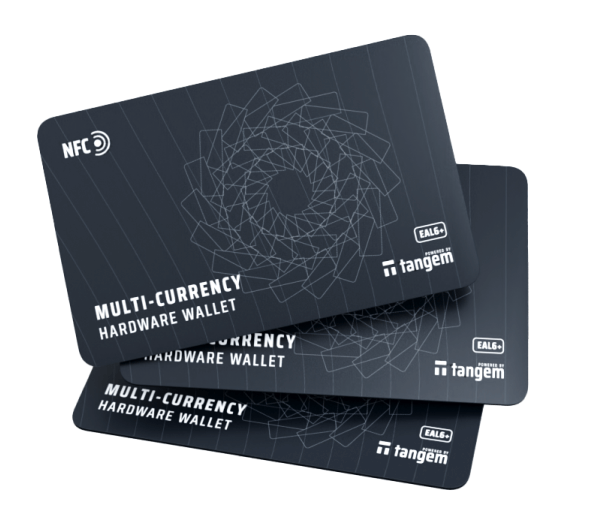
A compact smartcard hardware wallet held next to a phone for NFC interaction

How to think about protecting private keys

Start with threat modeling. Who are you protecting against—thieves, coercion, accidental loss, state actors? Short answers are useless here. My gut reaction used to be “protect against everyone,” which is paralyzing. On the other hand, designing for every extreme can make routine use impossible, so target the most realistic threats first. For most users in the US, that means guarding against phishing, malware, theft, and human forgetfulness.

My instinct said hardware is the obvious answer. And to an extent it is. Hardware wallets containing a secure element—little chips that resist tampering and never expose the private key—dramatically lower the attack surface compared to hot wallets. But hardware devices vary; some are tiny USB sticks, others are cards you tap to a phone. I’m biased, but the smartcard form factor has real UX advantages; it’s familiar, portable, and integrates well with phones. Check a practical example in the wild like tangem, which uses a card-based secure element model that feels like carrying a credit card with cryptographic superpowers.

On the technical side: private keys should ideally never leave the secure element in plain text. Instead, devices sign transactions internally and return only signatures. That reduces the chance that a laptop infected with malware can exfiltrate your key. But there’s more—recovery processes need thought. A device that is too rigid about recovery can brick access if the owner loses it, while a device that is too loose risks social-engineered recovery. So design and human factors collide again.

Whoa! Another thing: the “seed phrase” mental model is terrible for many people. It pushes a single point of failure into your life. You’re told to write down 12 or 24 words and guard them like gold. That works for some, but many either make careless copies or end up storing them in digital notes, which is effectively handing keys to attackers. There are alternatives, though they require discipline and a small learning curve. For example, distributing secrets (Shamir) can be as simple as splitting into three pieces and storing them in different safe locations, or as formal as a multisig with trusted friends or services.

Hmm… I should add a caveat: every split increases operational complexity. Initially I thought more splits = more safety, but then realized diminishing returns and new failure modes. If one of three shares is lost, you might still recover, but if you mismanage the process you could lose everything. On the balance, share-splitting suits people who want geographically distributed resilience and who are comfortable with the bookkeeping that comes with it.

Comparing common approaches — blunt overview

Short: paper seed is cheap but fragile. Medium: hardware secure elements are resilient and broadly compatible. Long: multisig and secret sharing provide robustness through distribution, but require more coordination and have higher operational overhead, especially for less technical users who might panic during an emergency. The trick is picking the right combination for your life stage and crypto holdings.

Here’s another real-world wrinkle—recovery friction. If you’re managing small amounts, a complex multisig is overkill. If you hold serious value, you should invest time and possibly professional advice to architect a robust solution. My own setups evolved: early on I used simple cold storage and a paper backup. Later I moved to cards and multisig because the administrative and theft risks scaled with my holdings. That transition wasn’t overnight; it came after a few close calls and some sleepless nights.

Really? Physical coercion is a threat people rarely plan for. If someone can force you to reveal a seed, then all the cryptography in the world won’t help. There are techniques—plausible deniability wallets, duress phrases, or legal structures—but they come with trade-offs and ethical complexity. On one hand you can hide access behind plausible decoys, though actually relying on deception carries its own risks and moral questions.

Finally, consider lifecycle management. Keys aren’t static; devices age, firmware updates happen, and relationships change. A recovery plan that worked when you set up the wallet might be useless years later if your trusted co-signer moved, passed away, or changed contact details. So design with change in mind, and periodically test recovery without risking funds (use testnets or small amounts first).

Practical patterns I recommend (with caveats)

First, separate everyday access from emergency recovery. Keep a small hot- or warm-wallet for routine transactions, and use a hardened cold setup for long-term holdings. That’s simple to say, though behaviorally it’s harder to maintain. Second, use hardware with a secure element that never exposes private keys, and prefer models with simple, audited recovery options. Third, consider distributing recovery across devices and trusted parties if you have meaningful holdings.

I’m not 100% sure which exact product fits everyone. But choose well-audited solutions and avoid one-off DIY electronics unless you are a seasoned hardware engineer. I’m biased toward tangible, offline devices that feel like everyday objects—cards, keys, or small tokens—because people actually carry and interact with them. Oh, and by the way… label things clearly but not too clearly; avoid leaving a note that screams “crypto seed!”

Something felt off about the handshake between UX and security in many wallet setups I tested. The most secure systems become useless if users can’t operate them reliably, and the easiest systems are often the least secure. So pick a middle way: enough security to defend against common threats, plus a recovery workflow you can test and trust.

FAQ

Can I replace my seed phrase entirely with a smartcard or hardware token?

You can, in many cases. A smartcard that holds the private key and never exposes it externally acts as a seed-less solution by design; it stores the secret inside a secure element and performs signatures internally. That removes the need to memorize or write down mnemonic words, but you must plan for loss or damage. Backup strategies include owning a second card, using multisig, or employing secret sharing. No single approach is universally best; choose based on your threat model and willingness to manage complexity.

How do I pick between multisig and secret sharing?

Multisig is about requiring multiple independent approvals for spending, often across different devices or people; secret sharing splits a single secret into pieces that must be recombined. Use multisig when you want operational separation (for example, different devices in different locations), and secret sharing when you favor physical distribution without constant co-signers. Both increase resilience but also increase administrative overhead—test your recovery flow before large transfers.

Are smartcards like Tangem safe?

Smartcards using secure elements offer strong protection against remote malware and are convenient for phone-based use. Implementation quality and ecosystem matter, and audits are crucial. If you prefer a card form-factor, look at reviews, audits, and community feedback. I carry cards in my pocket sometimes because they blend into life more naturally than bulky devices, but that convenience requires a deliberate backup plan.

Categories
Uncategorized

Tecnologie innovative e tendenze future nell’utilizzo di ecopayz per il gaming online

Il settore del gaming online sta vivendo una rapida evoluzione grazie all’introduzione di tecnologie all’avanguardia che migliorano la sicurezza, l’efficienza e l’esperienza utente. EcoPayz, come uno tra i principali sistemi di pagamento digitali, sta adottando soluzioni innovative per rispondere alle esigenze di una clientela sempre più esigente e sensibile alle tematiche ambientali. In questo articolo, esploreremo le principali tendenze future e le innovazioni tecnologiche che plasmeranno l’uso di EcoPayz nel mondo del gaming online, offrendo un quadro completo di come queste tecnologie rivoluzionano il settore.

Indice

Come le nuove tecnologie migliorano la sicurezza delle transazioni EcoPayz nel gaming

Implementazione di sistemi di autenticazione biometrica per transazioni più sicure

Le tecnologie biometriche, come il riconoscimento facciale e l’uso delle impronte digitali, stanno diventando elementi fondamentali per rafforzare la sicurezza nelle transazioni digitali. EcoPayz sta integrando queste soluzioni per garantire che solo l’utente legittimo possa autorizzare depositi e prelievi, riducendo drasticamente il rischio di frodi. Ad esempio, alcune piattaforme di gaming europee sostituiscono password e PIN con l’autenticazione biometrica, offrendo un’esperienza fluida e più sicura.

Utilizzo di intelligenza artificiale per il rilevamento delle frodi

l’intelligenza artificiale (IA) permette di analizzare in tempo reale comportamenti sospetti e transazioni anomale, automatizzando la prevenzione delle frodi. EcoPayz implementa algoritmi di machine learning in grado di individuare pattern di frode e bloccare immediatamente accessi non autorizzati, migliorando significativamente la sicurezza delle operazioni e rafforzando la fiducia dei giocatori, come si può approfondire su needforslots casino.

Protezione dei dati personali attraverso la crittografia avanzata

La crittografia di livello militare garantisce che i dati sensibili degli utenti, come numeri di carta di credito e informazioni personali, siano protetti durante tutto il processo di transazione. EcoPayz utilizza protocolli di crittografia avanzata, assicurando la conformità con normative internazionali come il GDPR, e offrendo ai giocatori la massima tutela dei propri dati.

Soluzioni di pagamento contactless e portafogli digitali per i giocatori

Vantaggi dell’integrazione di EcoPayz con NFC e RFID

L’integrazione di EcoPayz con tecnologie di pagamento come NFC (Near Field Communication) e RFID (Radio-Frequency Identification) consente ai giocatori di effettuare depositi e prelievi semplicemente avvicinando il proprio dispositivo a terminali compatibili. Questa soluzione riduce i tempi di transazione e aumenta la comodità, favorendo un’esperienza di gioco senza intoppi, soprattutto in ambienti fisici come sale giochi o eventi dal vivo.

Come i portafogli digitali facilitano depositi e prelievi rapidi

I portafogli digitali offrono ai giocatori una gestione centralizzata delle proprie finanze digitali, permettendo di effettuare transazioni rapide con pochi clic. Con EcoPayz, gli utenti possono movimentare fondi in modo immediato e sicuro, facilitando il deposito su piattaforme di gioco senza dover inserire continuamente dettagli bancari, migliorando la fluidità dell’esperienza.

Case study: implementazioni di successo in piattaforme di gaming online

Ad esempio, la piattaforma di casinò online Bet365 ha integrato EcoPayz con sistemi contactless, ottenendo un aumento del 25% nei depositi e migliorando la soddisfazione degli utenti. Questo successo dimostra come soluzioni di pagamento innovative possano migliorare l’efficienza operativa e la fidelizzazione dei clienti.

Tendenze emergenti nell’uso di blockchain e criptovalute con EcoPayz

Utilizzo di stablecoin per transazioni stabili e affidabili

Le stablecoin, come USDC e Tether, sono criptovalute ancorate a valute fiat, offrendo stabilità e affidabilità nelle transazioni. EcoPayz sta sperimentando l’integrazione di queste valute digitali per consentire ai giocatori di eseguire depositi e prelievi senza la volatilità tipica delle criptovalute, favorendo transazioni più sicure e prevedibili.

Smart contract e automazione delle operazioni di pagamento

Gli smart contract sono programmi auto-eseguibili che permettono di automatizzare e garantire l’adempimento di condizioni contrattuali. Nel settore del gaming, possono automatizzare premi, vincite e pagamenti, riducendo tempi e costi di transazione. EcoPayz sta esplorando questa tecnologia per offrire servizi più efficienti e trasparenti ai propri clienti.

Impatto della blockchain sulla trasparenza e tracciabilità delle transazioni di gioco

La blockchain garantisce la massima trasparenza grazie alla sua natura decentralizzata e immutabile. Questa tecnologia permette di tracciare ogni transazione, assicurando fair play e prevenendo manipolazioni. Le piattaforme di gaming che adottano blockchain e EcoPayz possono offrire ai giocatori un livello superiore di fiducia e integrità.

Innovazioni nell’integrazione di EcoPayz con piattaforme di gioco virtuali

Integrazione con ambienti di realtà virtuale e aumentata

La realtà virtuale (VR) e aumentata (AR) stanno rivoluzionando il gaming, creando ambienti immersivi e personalizzabili. EcoPayz sta sviluppando soluzioni di pagamento integrate con queste piattaforme, permettendo ai giocatori di effettuare transazioni senza interrompere l’esperienza immersiva. Questo approccio rende il processo di pagamento più naturale e senza soluzione di continuità.

Soluzioni di pagamento seamless per giochi multiplayer online

Per i giochi multiplayer, come gli eSport, la rapidità e la sicurezza sono fondamentali. EcoPayz sta introducendo sistemi di pagamento seamless, che consentono agli utenti di effettuare transazioni in tempo reale senza attese, migliorando il gameplay e la fidelizzazione.

Personalizzazione dell’esperienza utente tramite tecnologie adattive

L’intelligenza artificiale e le tecnologie di apprendimento automatico consentono di personalizzare l’interazione dell’utente, adattando lo stile di pagamento, i bonus e le offerte in base alle preferenze. EcoPayz sta investendo in queste soluzioni per offrire un’esperienza più coinvolgente e su misura nel settore del gaming.

Previsioni sullo sviluppo di tecnologie di pagamento eco-friendly nel settore gaming

Utilizzo di energie rinnovabili per infrastrutture di pagamento digitale

Le grandi infrastrutture di data center e server che supportano i sistemi di pagamento stanno sempre più adottando fonti di energia rinnovabile. EcoPayz si sta muovendo verso infrastrutture sostenibili, riducendo l’impatto ambientale e promuovendo un settore del gaming più eco-friendly.

Eco-friendly tokenizzazione e riduzione dell’impatto ambientale

La tokenizzazione di beni digitali consente di rappresentare assets in forma digitale, riducendo la necessità di risorse fisiche e migliorando l’efficienza energetica delle transazioni. EcoPayz sta esplorando questa tecnologia per minimizzare l’impatto ambientale delle operazioni di pagamento nel gaming.

Progetti di sostenibilità adottati da provider di servizi di pagamento

Numerosi provider, tra cui EcoPayz, stanno adottando iniziative di sostenibilità come l’utilizzo di energia rinnovabile, il riciclo di hardware e l’ottimizzazione delle reti di servizio. Questi sforzi non solo riducono l’impronta di carbonio, ma rafforzano anche l’immagine di un settore gaming più etico e responsabile.

In conclusione, l’applicazione di soluzioni tecnologiche innovative sta trasformando radicalmente l’utilizzo di EcoPayz nel gaming online, migliorando la sicurezza, la praticità e la sostenibilità. Le future evoluzioni rivoluzioneranno ulteriormente il modo in cui i giocatori interagiscono con le piattaforme di gioco, creando un ambiente più sicuro, efficiente e rispettoso dell’ambiente.

Categories
Uncategorized

Tropicanza vs Katana Spin: Comparing Bonus Offers and Wagering Terms

Online casinos continually innovate their promotional strategies to attract and retain players. Among the most visible elements of these strategies are bonus offers, which vary significantly across platforms. Understanding the nuances of these bonuses—especially their structures and wagering requirements—is essential for players aiming to maximize their benefits. In this article, we compare two popular casino platforms, tropicanza and Katana Spin, as illustrative examples of how bonus offers and wagering terms can differ, reflecting broader principles of responsible and strategic gambling.

Table of Contents

Differences in Welcome Bonus Structures and Their Appeal

Analyzing Sign-Up Incentives and Match Percentages

One of the fundamental differences between casino bonuses lies in their initial offers. Tropicanza often provides a generous welcome match, such as a 100% match up to a certain amount, encouraging players to deposit more by doubling their initial funds. Conversely, Katana Spin may offer a lower match percentage, but compensate with additional perks like free spins or no-deposit bonuses. These incentives appeal to different player preferences: some prefer higher matched funds for larger initial bankrolls, while others favor risk-free opportunities like free spins without depositing.

🔒 Safe & Secure • 🎁 Instant Bonuses • ⚡ Quick Withdrawals

Comparing Free Spins and No-Deposit Promotions

Free spins are especially attractive for slot enthusiasts, allowing players to try popular games without risking their own money. Tropicanza’s no-deposit bonus, often comprising a set number of free spins or small cash credits, serves as an entry point for newcomers. Katana Spin, on the other hand, might emphasize free spin offers tied to specific slots or time-limited promotions. While both types of bonuses enhance engagement, their value depends on the game selection and wagering conditions attached.

Impact of Bonus Size on Player Engagement and Retention

Research indicates that larger bonuses can improve initial engagement, but they also come with more stringent wagering terms, which can deter some players from completing wagering requirements. Smaller, more manageable bonuses tend to foster long-term retention by reducing frustration. For example, Tropicanza’s balanced bonus size coupled with transparent terms can result in higher completion rates, fostering trust and ongoing loyalty. Ultimately, the perceived value of a bonus hinges on both its size and the ease of fulfilling its conditions.

Wagering Requirements: Key Variations and Player Advantages

Understanding Play-Through Ratios and Time Limits

Wagering requirements specify how many times a bonus amount must be played through before withdrawal eligibility. Tropicanza typically sets play-through ratios at 30x to 40x, with clear time limits—say, 14 to 30 days—to complete wagering. Katana Spin might impose similar ratios but with shorter deadlines or higher contribution percentages for certain games. These parameters significantly influence how quickly a player can cash out winnings derived from bonuses.

Assessing the Fairness of Wagering Conditions

Fair wagering terms balance the casino’s desire to prevent bonus abuse with the player’s interest in a reasonable challenge. Tropicanza’s transparent terms—such as detailed contribution percentages and straightforward play-through calculations—are generally viewed as fair. In contrast, Katana Spin might include ambiguous clauses or high contribution thresholds on certain games, making it harder for players to meet requirements without extensive play.

Strategies to Meet Wagering Terms Efficiently

Players can adopt strategies like focusing on high-contribution games, such as slots with 100% contribution, and avoiding excluded titles. Additionally, managing bet sizes to stay within maximum bet limits while maximizing potential returns helps meet wagering conditions efficiently. For instance, understanding that some bonuses restrict maximum bets to prevent rapid wagering can inform better gameplay decisions, increasing the likelihood of fulfilling bonus requirements within the allotted timeframe.

Evaluating Bonus Restrictions and Game Compatibility

Game Contribution Percentages Toward Wagering

Not all games contribute equally toward meeting wagering requirements. Slots often contribute 100%, while table games like blackjack or roulette may contribute only 10-20%. Tropicanza typically emphasizes slot play for bonus wagering, simplifying the process. Katana Spin might restrict bonus play to specific game categories or have varying contribution percentages, requiring players to strategize accordingly.

Excluded Games and Their Effect on Bonus Usage

Excluded games can significantly impact bonus utilization. For example, if certain high-payout or progressive jackpot slots are excluded, players aiming to meet wagering terms must focus on eligible titles. Tropicanza’s clear list of excluded games helps players plan their gameplay, whereas Katana Spin might have more restrictive or less transparent exclusions, complicating bonus completion.

🔒 Safe & Secure • 🎁 Instant Bonuses • ⚡ Quick Withdrawals

Restrictions on Maximum Bet and Payout Limits

Maximum bet limits prevent players from placing excessively large wagers that could quickly fulfill wagering requirements or lead to rapid losses. Payout limits cap the amount a player can withdraw from bonus winnings. Tropicanza often enforces moderate bet limits and payout caps, balancing player opportunity with risk management. Katana Spin may impose stricter restrictions, impacting the overall value of the bonus and influencing strategic play.

Modern Illustrations of Bonus Utilization and Wagering Strategies

Case Study: Player Success with Tropicanza Offers

Consider a player who received a €50 bonus at Tropicanza with a 30x play-through requirement. By focusing on high-contribution slot games and managing bets below the maximum limit, they completed wagering within two weeks and successfully withdrew €150 in winnings. This scenario exemplifies how transparent terms and strategic gameplay can lead to positive outcomes, illustrating the importance of understanding bonus conditions.

Practical Examples of Katana Spin Bonus Challenges

In contrast, a player at Katana Spin received a €50 bonus with a 40x wagering condition but faced high contribution thresholds on certain games and short time limits. Despite extensive play, they struggled to meet requirements due to game exclusions and bet restrictions, resulting in partial completion only. This example highlights how complex terms can hinder bonus realization.

Data-Driven Insights on Bonus Activation and Completion Rates

Studies indicate that bonuses with clear, fair wagering requirements have higher activation and completion rates. For instance, platforms like Tropicanza report completion rates exceeding 70%, compared to less transparent offers where completion drops below 50%. These insights emphasize the importance of transparent, fair bonus terms in promoting responsible and enjoyable gambling experiences.

“Understanding the structure and requirements of casino bonuses is essential for turning promotional offers into genuine opportunities for profit, rather than frustrating obstacles.”

Categories
Uncategorized

How to Play Video Poker at Online Casinos

Video poker is a popular choice at online casinos, combining the thrill of traditional poker with the ease of slot machines. If you’re keen to try your hand at video poker while on the go, this guide will help you understand the essentials.

What is Video Poker?

Video poker is a game played on a machine similar to a slot machine, but it is based on poker hands. The objective is to obtain the best possible hand according to standard poker rankings. Different variations of video poker exist, each with unique rules and payout structures, making it a versatile option for many players.

How Do You Play Video Poker?

Playing video poker is straightforward. Here’s a step-by-step guide:

  1. Choose Your Game: Select a video poker variant you want to play, such as Jacks or Better or Deuces Wild.
  2. Set Your Bet: Decide how much you want to wager per hand. Most games allow you to adjust your bet using a minus and plus button.
  3. Deal Your Cards: Hit the ‘Deal’ button to receive five cards.
  4. Choose Your Cards: Select which cards you want to keep and which ones you wish to discard. You can hold none, some, or all of your cards.
  5. Draw New Cards: After making your selections, press the ‘Draw’ button to replace the discarded cards.
  6. Check Your Hand: Based on the final hand, winnings are calculated according to the paytable.

To start playing, visit xtraspin and explore their video poker options.

What Are the Best Strategies for Video Poker?

To increase your chances of winning, consider the following strategies:

  • Understand the Paytable: Each video poker game has its own paytable. Familiarising yourself with it can help you make better decisions.
  • Play Maximum Coins: Many games offer higher payouts for playing the maximum number of coins, typically 5. This can significantly improve your returns.
  • Know When to Hold: Holding cards that can form a winning hand is crucial. For example, if you have a pair of Jacks, hold onto them rather than risk drawing new cards.

Common Myths about Video Poker

  • Myth: Video poker is purely a game of luck.
  • Truth: While luck plays a role, skill and strategy significantly influence outcomes. Players can use optimal strategies to improve their chances of winning.
  • Myth: Video poker has the same payout as slots.
  • Truth: Video poker usually offers better odds than traditional slot machines. The Return to Player (RTP) for video poker can be as high as 99.5%, whereas slots typically range from 85% to 96%.
  • Myth: You need to be an expert poker player to win.
  • Truth: Basic knowledge of poker hands is sufficient. Many players start with little experience and learn as they go.

What Are the Benefits of Playing Video Poker on Mobile?

Playing video poker on mobile devices has several advantages:

  • Convenience: Play anytime and anywhere, whether you’re commuting or relaxing at home.
  • User-Friendly Interface: Most mobile casinos, including XtraSpin, offer intuitive touch interfaces that make navigation seamless.
  • Responsive Design: Mobile apps are designed to be responsive, ensuring a smooth gaming experience across various devices.

What Should You Look for in a Mobile Casino?

When choosing a mobile casino for video poker, consider the following:

  • Licensing: Ensure the casino is licensed by the UK Gambling Commission (UKGC) for safe and fair play.
  • Game Variety: Look for a site that offers multiple video poker variants to keep your gaming experience fresh.
  • Payment Options: Check for various payment methods, including e-wallets and credit/debit cards, to facilitate easy transactions.

Conclusion

Video poker presents an exciting opportunity for both new and experienced players. With the right strategies and a good mobile platform, you can enjoy this thrilling game while on the go. Remember to always gamble responsibly and understand the rules and payouts of the game you’re playing.

Categories
Uncategorized

How to Play Keno at Online Casinos

Keno is a popular lottery-style game that is easy to play and offers the chance to win substantial prizes. If you’re new to the world of online casinos, particularly at verywell casino, this guide will help you understand the essentials of playing Keno, focusing on registration ease, the quality of support, and payment methods.

Getting Started: Registration Ease

Before you can play Keno, you need to register at an online casino. Here’s how:

  • Choose a Casino: Select a reputable online casino that offers Keno. Ensure it is licensed by the UK Gambling Commission (UKGC) for a safe gaming experience.
  • Complete the Registration Form: Fill out your details, including your name, email address, and date of birth. You must be at least 18 years old to play legally.
  • Verify Your Account: Most casinos require you to verify your identity by providing identification documents. This process ensures compliance with UK regulations and prevents underage gambling.
  • Make Your First Deposit: Choose a payment method that suits you (more on this later) and fund your account to start playing.

Quality of Support

Good customer support is crucial when playing at online casinos. Here’s what to look for:

  • Availability: Check if support is available 24/7. Live chat and phone support are often the most effective.
  • Response Times: Look for casinos with quick response times. A good support team should resolve your queries in minutes, not hours.
  • Multiple Contact Methods: Ensure the casino offers various support options, such as email, live chat, and a comprehensive FAQ section.

High-quality support can significantly enhance your gaming experience, helping resolve issues like payment queries or technical problems swiftly.

Understanding Payment Methods

When playing Keno, knowing your payment options is vital for a seamless experience. Here are common methods accepted at UK online casinos:

Payment Method Deposit Time Withdrawal Time
Debit Cards (Visa, Mastercard) Instant 1-3 days
e-Wallets (PayPal, Skrill, Neteller) Instant 24 hours
Bank Transfers 1-3 days 3-5 days

When choosing a payment method, consider factors like transaction fees, processing times, and whether the method is suitable for both deposits and withdrawals. For instance, e-wallets often provide faster withdrawals compared to traditional bank transfers.

How to Play Keno

Once registered and your account is funded, follow these steps to play Keno:

  • Select Your Numbers: Choose between 1 and 20 numbers from a pool of 80. The more numbers you select, the higher the potential payout.
  • Place Your Bet: Decide how much you want to wager on your selected numbers. Bets can vary, so check the minimum and maximum limits at your casino.
  • Watch the Draw: The casino will randomly draw 20 numbers. Check how many of your chosen numbers match the drawn numbers.
  • Claim Your Winnings: If you’ve matched enough numbers, you’ll win a prize. The payout depends on how many numbers you matched and your bet size.

Keno is a game of chance, so it’s essential to play responsibly. Set a budget for your gaming sessions and stick to it to ensure a fun and safe experience.

With this guide, you should feel more confident in your ability to navigate online Keno games. Enjoy playing, and best of luck!