Categories
Uncategorized

Running a Full Node for Mining: Practical, Honest Advice from Someone Who’s Done It

Whoa!

Okay, so check this out—running a full node while mining is not just nerd flex. It actually changes outcomes. Seriously? Yes. My instinct said it would be overkill at first, but then I saw the difference in validation speed and privacy and I had to admit I was wrong.

Here’s the thing. If you care about sovereignty, or want to be truly self-reliant about block templates and fee decisions, you should run your own full node. This piece is for experienced users who can edit configs and live in a server room or closet with fans humming. I’m biased, but I think the extra hassle is worth it—mostly.

Short primer: a miner needs valid block templates and the current UTXO state to construct a block. You can get that from a pool. Or you can generate it yourself with a local bitcoind running as a full node. On one hand, pools are convenient. On the other hand, pools can censor and they hide fee economics from you. On the other other hand… well, there are tradeoffs.

Why run a full node for mining? Three concrete reasons:

1) Trust-minimization — you verify blocks yourself. No middleman.

2) Fee capture — you decide which transactions to include in the coinbase, not the pool operator.

3) Privacy — your pool-less submits leak less transaction info (if you configure properly).

Short burst: Hmm…

But it isn’t all sunshine. Running a full node alongside mining increases resource demands and complexity. Initially I thought throwing a cheap SSD at it would solve every problem, but actually, wait—let me rephrase that: storage architecture, dbcache sizing, and network bandwidth all matter more than most people expect.

Let’s break it down practically. We’ll cover hardware, Bitcoin Core settings, mining workflow (solo vs pool), privacy and OPSEC, and common gotchas. This is hands-on, not academic. I’ll tell you what I ran into, and how I adjusted.

Hardware and IBD realities

Short burst: Really?

Yes—full initial block download (IBD) can take days on a normal consumer connection. If you set up a new node and expect to mine tomorrow, you’ll be disappointed. Be prepared.

Disk speed matters for chain validation. SSDs with good random I/O are the baseline. Spinning disks will bottleneck verification and block processing. Also: NVMe helps with validation speed when you’re reindexing or during big mempool churn. My advice: prefer reliability over the latest benchmark part.

RAM matters too. Bitcoin Core uses dbcache heavily during IBD and for mempool management. If you have 32 GB RAM, set dbcache large—say several tens of gigabytes if you can spare it. If you’re on 8 GB, keep dbcache modest. There’s no one-size-fits-all—monitor and iterate.

Network: bandwidth caps and NAT are real. If you plan to provide blocks to other miners or want to help the network, increase maxconnections and set a reasonable upload target. If you’re behind flaky NAT, consider a VPS peer or a Tor hidden service to accept inbound connections.

Bitcoin Core settings that actually matter

Whoa!

Two quick config facts: pruning and txindex. Pruning saves disk but trims historical blocks. txindex keeps an index of all transactions for lookups. You usually don’t need txindex for mining, but some tooling does expect it.

Pruned nodes can mine. They keep the active UTXO set and can produce blocks with getblocktemplate. However, if you prune too aggressively, you may lack historical context for certain checks or for serving blocks to peers. In practice, if you’re solo mining, avoid pruning unless disk is the bottleneck.

Set these in bitcoin.conf: dbcache=X, prune= if you must, txindex=0 (unless you need it). Also set maxconnections to a healthy number and enable listen=1 if you want incoming peers.

Short burst: Hmm…

Security bits: never expose RPC to the public internet. Use rpcuser/rpcpassword or cookie auth. If you need remote management, tunnel over SSH or use a VPN. I run my node in a DMZ with strict firewall rules. I’m not 100% sure that’s perfect, but it’s been stable.

Rack of machines with fans and blinking LEDs — a miner's closet

Mining setup: solo vs pool, and how your node fits

Solo mining with your full node means your node supplies block templates via the getblocktemplate RPC and accepts work submissions via submitblock. You’ll need miner software or an ASIC controller that can speak this workflow. Modern miners often use Stratum, and in that case you run a local Stratum proxy that translates getblocktemplate into Stratum work frames.

Solo gives you independence and full fee capture. Pools give steadier payouts and easier setup. Honestly? If you have a few ASICs and a good hash rate, pools make sense for revenue smoothing. Solo is more of a long-term gamble and a sovereignty statement.

One tip: when you operate a Stratum proxy, randomize the coinbase script and include extranonce markers to protect privacy. Don’t reuse coinbase scripts across miners; that links them. Also, watch your coinbase maturity rules—don’t spend coinbase outputs before they mature.

Short burst: Seriously?

Yes—if you want your node to decide transaction inclusion, you must configure mempool and fee policies carefully. Bitcoin Core’s fee estimator and mempool policy will influence what ends up in your blocks. If your node is connected to a pool, they might ignore your local mempool and push their own templates. If you host your own Stratum and run getblocktemplate locally, you are the decider.

Operational tips and performance tuning

Start small and measure. Increase dbcache gradually until you hit memory pressure. Watch iowait and CPU during IBD—if CPU is pegged, consider more cores; if disk is pegged, faster storage helps.

Reindexing is painful. Rebuilds can take many hours. Plan for it. Keep backups of your wallet and descriptors. Do frequent, encrypted backups and store them offsite if you care about uptime.

Set prune to a level that keeps the last X GB of blocks if you must conserve disk. But again, pruning and mining have friction—pruned nodes are fine for mining, but tooling and block serving get trickier.

Short burst: Here’s what bugs me about common guides — they gloss over mempool tuning. The mempool has limits and eviction policies. If you mine selfishly and keep many low-fee txs, you can bloat memory and harm peers. Be reasonable. If you want full control, read the mempool code or test on testnet/regtest.

Privacy, OPSEC, and safety

I’m biased toward Tor. Running a hidden service for your node reduces IP leaks and gives inbound connectivity without exposing your home IP. Tor has latency, so for low-latency miner connectivity prefer clearnet peers, but for privacy the tradeoff is worth it.

Never share wallet keys. If you use descriptors or watch-only wallets, separate signing machines from your node. Use PSBT workflows for air-gapped signing if you want high security. This is basic, but people screw it up. I’ve seen it.

Short burst: Woah!

Also: logging and monitoring are your friends. Set up Prometheus/Grafana or just simple scripts to check IBD progress, mempool size, chain height. When something goes wrong you want alerting, not surprise.

Initially I thought “one node per miner” was overkill, but then I realized redundancy matters. Having a fallback node helps if your primary goes out. Use a lightweight remote peer or phone-based watcher for out-of-band alerts.

Tools and testing

Run testnet and regtest for changes before flipping them into production. Testnet behaves differently but is useful for scripting. Regtest is perfect for rapid development and debugging of getblocktemplate flows.

Use bitcoin-cli for RPC checks. getblocktemplate, submitblock, getmininginfo, and getnetworkinfo are the core commands you’ll use. Automate sanity checks: ensure your block templates include the transactions you expect, and that coinbase outputs route to your chosen address.

Short burst: Hmm…

One more practical note: watch for fork events and upgrades. Upgrading Bitcoin Core during high mempool times or during a fork requires planning. Backups first. Test binaries on a staging node. I wish more people did that—very very important if you’re mining at scale.

FAQ

Can I mine on a pruned node?

Yes. Pruned nodes maintain the UTXO set and can produce valid blocks via getblocktemplate, but aggressive pruning can complicate serving blocks and some tooling might expect full history. If you’re solo mining, avoid extreme pruning unless you really need the disk space.

Do I need the wallet to mine?

No. You can mine and direct coinbase to any address you control without a local wallet by constructing coinbase data in your miner/stratum proxy. But using the wallet can simplify coinbase payout management. For high security, separate signing and hot wallets.

Should I run bitcoin core or another client?

I’m a fan of bitcoin core for its robustness and network support. Other clients exist, but Bitcoin Core is the reference implementation and integrates well with mining tooling. Use what you can maintain and verify.

Wrapping up—though not in a neat box—running a full node while mining is doable and rewarding. It gives you control and improves trustlessness. It also demands more maintenance and care. There are tradeoffs. You’ll make mistakes. I made plenty.

So start on testnet, tune dbcache, monitor IBD, protect your RPC, and decide if the extra sovereignty is worth the ops burden for you. I’m not offering a step-by-step script here—because every setup is slightly different—but these are the lessons I’d want someone to tell me before I wired up a rack in my garage.

Okay, one last asides—(oh, and by the way…) keep at least one cold backup of keys. Seriously. Don’t be that person who loses coinbase rewards to a failed disk. Good luck, and hey—if you want to compare notes, ping a friendly node operator offline.

Categories
Uncategorized

Why your next Web3 wallet should do more than hold assets — it should model risk

Whoa! Okay, right off the bat: wallets that only store keys are a solved problem, mostly. Short sentence. But that doesn’t mean they’re good enough for DeFi anymore. My instinct said we’d be past this a while ago, though actually, wait—let me rephrase that: I expected wallets to evolve faster than they did. Something felt off about the pace of product improvements when I started moving big positions across chains. Seriously?

Here’s the thing. DeFi today is not just about signing a transfer. It’s about simulating the consequences of that signature before you hit confirm — slippage, routing, approvals, squeezed liquidity, MEV, chain-specific quirks, and cross-chain rails that sometimes behave like they’re on their own schedules. On one hand, users want simplicity. On the other, the protocols keep getting more… creative (and occasionally hostile). So wallets need to become decision engines, not just key vaults. I’m biased, but this part bugs me.

I’ll be honest: the first time I used a wallet that simulated my transaction end-to-end, I avoided a costly mistake. At the moment I got the simulation feedback — gas bumped up, slippage would eat my target, and a prior approval would’ve left a faucet open — I felt relief. And that relief is underrated. It translates into dollars and trust. Hmm… that was a small, human moment. The tech behind it is nontrivial, though, and that’s where most wallets still lag.

Screenshot of a transaction simulation panel showing estimated outcomes and gas details

What advanced wallets actually need — and why it matters

Transaction simulation is more than a nice UI flourish. It should estimate execution probability across different liquidity paths, flag potential sandwich or frontrun vectors, and model multi-step contract interactions as one atomic action rather than discrete guesses. I’ve seen routers present a quote that looked great until the simulation revealed a hidden hop that would have failed mid-route. On the surface everything seemed fine. Under the hood, not so much.

Multi-chain support is another headache. Cross-chain swaps and bridges are convenience incarnate — and also a headline-making source of grief. Wallets must track chain-specific RPC health, chain reorg risk, and be smart about nonce management when you bounce between L2s and mainnets. Why? Because a stuck nonce on Ethereum can cascade if you’re unattended. On some chains, replay protection is weaker. So you need robust transaction queuing and the ability to cancel or replace transactions safely. Not glamorous, but very very important.

Security features tie tightly into all of this. Sandboxing approvals, permission scoping, and per-dapp connectivity profiles reduce attack surface. (Oh, and by the way: allow users to set granular token spend limits — not just “Approve all”.) Hardware wallet integration with seamless UX is a must. Users should be able to route simulations through a watch-only interface so they can preview outcomes without touching cold keys. That’s where portfolio tracking and simulation converge: you see the impact before you commit, and you see it reflected in projected portfolio value changes across chains.

Initially I thought that wallet UX would prioritize checks and warnings, but then realized too many warnings become noise. So the challenge is subtle: provide actionable, prioritized alerts, not a flood of scary red messages that desensitize users. On one hand, the wallet should block obviously malicious transactions. On the other, it should respect power users who need composability. Finding that balance is design work plus risk modeling plus good defaults.

Okay, so check this out—I’ve been testing some wallets that merge tracking, simulation, and execution flows. They show projected portfolio changes before you sign a compound transaction (like migrating LP tokens across a DEX, then depositing into a farm on another protocol). Seeing projected impermanent loss, expected gas across two chains, and a confidence score for execution success changed my decision-making. I saved fees and avoided a failed migration. True story.

Wallets also must handle approvals lifecycle. Automating approval discovery and batch revocation helps. But there’s nuance: auto-revoking too aggressively can break UX for frequent DeFi users who rely on recurring contract approvals. A middle path: suggest optimal approval levels, let users set schedules for auto-revoke, and simulate the breakage cost if a revoke happens before a scheduled action. That’s product empathy — and yes, it matters for retention.

Another subtle point: gas strategy. Some wallets present “speed” choices with opaque multipliers. Better wallets compute a dynamic fee strategy tuned to mempool conditions, transaction type, and user preference (cost vs speed vs likelihood of sandwich). For smart traders, being able to choose a MEV-aware routing or include private relays is huge. And for everyday users, the wallet can default to safety without demanding the user become an Ethereum gas analyst.

When it comes to portfolio tracking, the multi-chain reality means fungible balances are scattered — bridges, staking contracts, vesting schedules, and yet more exotic instruments like options, structured products, and vaults. Accurate portfolio valuation needs off-chain indexing combined with live on-chain reads and heuristics for illiquid tokens. Yes, that adds backend complexity. But users expect a single pane of glass for value and risk metrics, and building that reliably is competitive differentiation.

One more thought: the social dimension. Watchlists, sharing projected outcomes, and templated multi-step transactions help teams coordinate. For DAOs and treasuries, wallets that simulate on behalf of the signer and produce auditable simulation reports are extremely valuable. It’s not just retail traders; institutions need deterministic previews and execution proofs. Wallet tools that offer that will be preferred partners for serious DeFi actors.

So where does UX sit in all of this? It should be anticipatory. Instead of making the user hunt for the “simulate” button, the wallet should surface simulation insights inline with the transaction flow: expected result, failure modes, alternative routes, and a small “confidence” indicator. Make it modular for both novice and pro users. The pro toggles must be discoverable but not intrusive. That design principle reduces cognitive load and raises the chance users will actually use the safety features.

I’ve been playing with a few wallets lately that get a lot of this right. One in particular blends transaction simulation, approval hygiene, and multi-chain portfolio snapshots with clear tradeoffs shown. I liked how the tool flagged the approval hourglass — an approval that would let a contract spend forever — and suggested a safer allowance. That little nudge prevented an exploit in a hypothetical test net scenario. Small reminders like that compound into big safety wins over time. It felt thoughtful, not preachy.

How to pick a wallet today (practical checklist)

If you care about DeFi and you move money between protocols, ask for these things. First: transaction simulation with route transparency and failure modeling. Second: per-dapp permission scoping and easy revocation. Third: robust multi-chain support with nonce and RPC health management. Fourth: hardware wallet support that doesn’t make you suffer. Fifth: portfolio tracking that reconciles off-chain events like airdrops and on-chain staking. Sixth: MEV-aware options or private RPC relays for sensitive trades.

Try to test your chosen wallet against a staged scenario: migrate funds between two DEXes, bridge a small amount, and simulate a failed intermediate swap. Watch how the wallet handles nonce reuse, gas bumps, and recovery. Real-world stress tests tell you more than spec sheets. And if the wallet offers simulation logs you can export, even better — that’s auditable evidence for any treasury or compliance workflow.

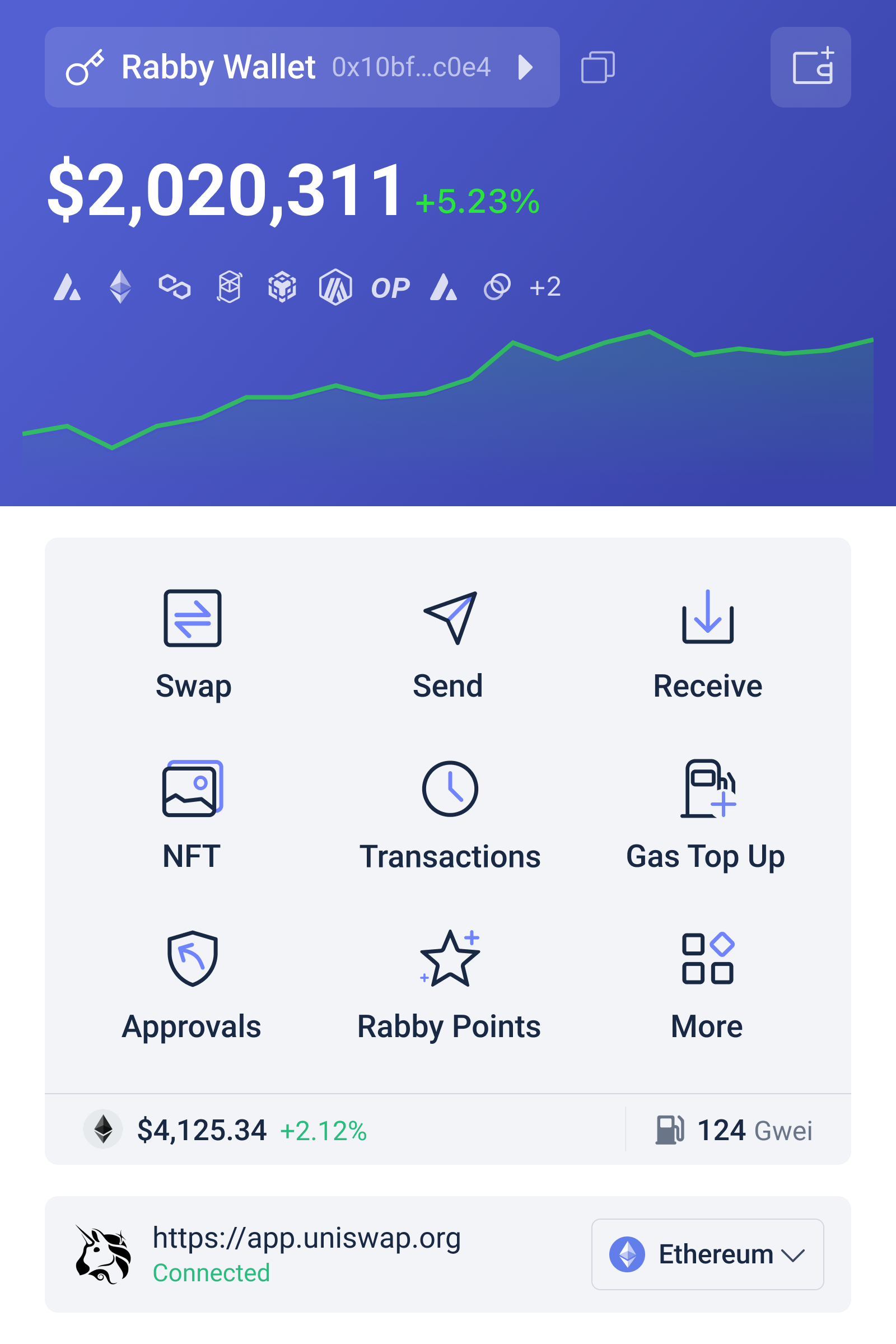
For people deciding right now, consider a wallet that integrates both simulation and portfolio visibility. One such option I found useful in repeated tests is rabby — it balances safety tools with multi-chain convenience and has thoughtful defaults for approvals and simulation. Not an ad. Just a reccomendation from someone who values that combo for day-to-day DeFi moves. I’m not 100% sure it’s perfect for every case, but it’s a strong starting point.

Lastly, don’t forget backup and recovery practices. A fancy simulation suite doesn’t replace good key hygiene. Hardware keys, secure seed storage, and periodic audits of your connected apps remain essential. Use watch-only addresses for high-risk interactions, and if you’re running automation or bots, segregate accounts by role. That’s boring advice, but it’s the scaffolding that holds the rest together.

FAQ

Why simulate a transaction? Isn’t the gas estimate enough?

Gas estimation is just one variable. Simulation models execution outcomes, slippage, liquidity hops, and failure points. It answers: will this whole transaction sequence succeed at the quoted cost? Not just: will it get mined? That extra layer reduces failed txs and surprise losses.

How do wallets protect against MEV and sandwich attacks?

Some wallets offer MEV-aware routing, private RPCs, or relay options that bypass public mempools. Others recommend transaction timing or use gas strategies that make sandwiching less attractive. No silver bullet exists, but combining private submission with smart routing reduces risk considerably.

Are automated approval revocations safe?

They help, but can break workflows if applied blindly. The best approach is opt-in automation with grace periods and the ability to whitelist trusted contracts. Transparency and audit logs help teams manage the tradeoff between convenience and security.

Categories
Uncategorized

How I Track a DeFi Portfolio: Market Cap, Liquidity Pools, and Real-Time Signals

I’ve been doing this long enough to know one truth: metrics lie if you don’t know the context. First impression matters—market cap looks shiny, but that number can be as misleading as a glossy ad. I remember a morning in 2021 where a token’s market cap doubled overnight and my gut said “somethin’ feels off” before the charts even loaded. That hunch saved me a bad trade. Still, gut alone won’t cut it; you need systems, signals, and a workflow that surfaces the real risks and opportunities.

Here’s the short version: treat market cap as a headline, not the story. Treat liquidity pools as the engine room. And—maybe most critical—monitor real-time order flow and pool health continuously. You want to know whether a token can actually be bought or sold at scale without wrecking the price. That’s where tools that surface live liquidity, depth, and price impact become essential.

Okay, so check this out—this piece is practical. No fluff. I’ll walk through the measurements I use daily, the traps I keep getting pulled into, and a workflow that balances speed with safety. If you’re trading or managing a basket of tokens, you want a mix of on-chain signals, aggregated price data, and an eye for human behavior that shows up on-chain.

Chart showing token liquidity depth and market cap discrepancy

What Market Cap Really Tells You

Market cap is simple math: price times circulating supply. But—big caveat—circulating supply isn’t always what you think. Some projects inflate supply slowly, some lock tokens but with release schedules, and many still hold huge allocations in team wallets. So when you see a $100M cap, ask: how much of that market cap is actually liquid and tradeable? On one hand market cap gives scale. On the other hand it can mask concentration and fake breadth.

Practical checks I run: token distribution, vesting schedules, and on-chain holder breakdowns. I also check how much of the supply is sitting in exchanges or large wallets. If 30% of supply is in a handful of addresses, that ‘cap’ means less than it appears. Do this before you size a position; or you might be sizing into a squeeze.

Liquidity Pools: The Engine Room

Liquidity pools are where trades actually happen. TVL is useful, but depth at relevant price points matters more. A pool with $10M TVL but all concentrated in one range on an AMM with concentrated liquidity can still blow out on a 10% sell. I look at pool composition (ETH vs stablecoin), pool symmetry, and the slippage curve—how much price moves for each incremental buy or sell.

Impermanent loss? Yes, it bites. But for traders, IL is often less critical than immediate price impact during rebalances. If you’re providing liquidity as part of a portfolio strategy, model IL against expected fee income and against the alternative: letting the tokens sit in a wallet. Sometimes the trading fees offset IL; other times they don’t.

Oh, and by the way, embedded incentives matter. Some pools have aggressive farming rewards that change user behavior overnight. That can inflate apparent liquidity—people deposit for rewards, then yank funds when incentives end. Always check the durability of liquidity, not just the headline TVL.

Real-Time Signals & My Daily Workflow

Morning routine: check price action, pool depth, and any big wallet movements. Midday: review order flow and DEX spreads. Evening: reconcile positions with unrealized P&L and staking schedules. I use a mix of on-chain explorers, DEX aggregators, and a dedicated real-time dashboard to keep tabs.

A tool I use daily is dexscreener for live token scans and quick liquidity overviews. It lets me see token pairs, recent trades, and charts across multiple chains fast—which is crucial when markets move and you need to act before the next big whale does. Seriously, having that live visibility changed how I size entries.

Here’s a quick checklist I run before adding to a position:

  • Circulating vs total supply and vesting cliff dates
  • Top holder concentration (are there >5 wallets holding >50%?)
  • Pool depth for the pair I’ll trade and expected slippage at my order size
  • Recent inflows/outflows and any incentive programs running
  • Cross-chain bridges or wrapped tokens that could affect arbitrage

Common Mistakes That Still Trip People Up

One: assuming market cap equals liquidity. Two: ignoring exchange listings—tokens listed only on low-liquidity DEXs are easy to pump and dump. Three: underestimating gas and slippage, especially on crowded chains. I once tried to move a mid-size position during a gas spike; fees ate most of the profit. Rookie move. Learn from mine.

Also, herd behavior is a measurable risk. When incentives kick, everyone piles into the same LP and then exits at the same time. Watch token launches and incentive timelines closely. An incentive sunset can trigger a 20–40% liquidity drop in a weekend.

Risk Management: Position Sizing and Exit Plans

Position size should depend on both volatility and liquidity. If a trade looks great but the pool slippage would cost you 3–5% on entry and exit, cut the size. I typically tier entries across price bands to average into liquidity and reduce market impact. And always set a realistic exit: not a wishful stop, but a plan based on on-chain liquidity thresholds.

Withdrawals and human error matter too. Use multisigs for treasury, separate keys for trading, and document withdrawal authorities. Too many teams learn this the hard way.

FAQ

How do I tell if a market cap is artificially inflated?

Look at token distribution and vesting. Check centralized exchange listings and any token minting mechanics. If supply is opaque or a few wallets hold disproportionate allocations, treat the cap skeptically.

What’s the single best liquidity metric to watch?

Depth at relevant price points. TVL is nice, but the slippage curve—how much price moves for incremental trades—is the real test of whether you can scale in or out without severe impact.

Can I rely on liquidity incentives?

They help, but they’re temporal. Use incentives to your advantage, but plan for the moment they end. Model worst-case liquidity post-incentive before you commit large sums.

Categories
Uncategorized

Unterschiede zwischen Desktop- und Mobile-Blackjack-Erlebnissen in führenden Casinos

Inhaltsverzeichnis

Benutzerinteraktion: Wie differieren Spielsteuerung und Eingabemethoden?

Touch-optimierte Steuerung versus Maus- und Tastaturbedienung

Auf Desktop-Computern ermöglicht die Nutzung von Maus und Tastatur eine präzise Steuerung bei Blackjack, wodurch komplexe Spielzüge und schnelle Reaktionen erleichtert werden. Das Klicken auf Karten, Buttons oder Einsatzfelder ist intuitiv und erlaubt eine feine Eingabegenauigkeit. Im Gegensatz dazu setzen mobile Blackjack-Versionen primär auf Touch-Input. Spieler tippen, wischen oder ziehen Karten, was eine andere Nutzererfahrung schafft. Diese Eingabemethode ist weniger präzise, aber durch gut gestaltete Steuerungselemente wird die Nutzung dennoch flüssig gestaltet. Beispielsweise verwenden mobile Spiele größere Buttons, um Tippfehler zu vermeiden, und optimieren die Bedienung für Einhand-Nutzung.

Reaktionszeiten und Eingabegenauigkeit auf verschiedenen Geräten

Beim Desktop sind kurze Reaktionszeiten und präzise Eingaben durch die Maus vs. Tastatur üblich, was professionelle Spieler ansprechen kann. Mobile Geräte hingegen können durch verzögerte Touch-Response oder ungenaue Eingaben herausgefordert werden, insbesondere bei schwacher Internetverbindung oder minderer Hardwareleistung. Eine Studie der University of Surrey zeigt, dass mobile Nutzer bei schnellen Entscheidungen eine um 25 % langsamere Reaktionszeit aufweisen, was Einfluss auf das Spielverhalten haben kann.

Optimierung der Nutzerführung für mobile Bildschirme

Mobile Blackjack-Apps verwenden spezielle UI-Designs, um die Nutzerführung intuitiv zu gestalten. Klare visuelle Hinweise, Vorhersehbare Aktionen und kurze Menüs minimieren den Aufwand beim Spiel. Beispielsweise sind Multi-Touch-Gesten wie Wischen für das Stapeln oder Ziehen von Karten eingebaut. Solche Optimierungen erhöhen die Spielgeschwindigkeit und verringern Frustration bei der Verwendung kleiner Bildschirme. Wenn Sie mehr über die Plattformen erfahren möchten, können Sie sich auf <a href=”https://dragonia-casino.de”>www.dragonia-casino.de</a> informieren.

Grafische Darstellung und visuelle Gestaltung in verschiedenen Plattformen

Anzeigequalität und Bildschirmauflösung in Desktop- und Mobile-Versionen

Desktop-Versionen bieten in der Regel eine höhere Auflösung (oft 1080p oder 4K), was detailliertere Grafiken und schärfere Bilder ermöglicht. Mobile Versionen hingegen passen die Grafiken an kleinere Bildschirme an, um Ladezeiten zu minimieren, ohne die visuelle Qualität zu stark einzuschränken. High-Definition-Visuals bleiben erhalten, aber bei älteren oder weniger leistungsfähigen Geräten müssen Entwickler Kompromisse bei der Grafik eingehen, was gelegentlich zu leicht unscharfen oder weniger detaillierten Karten und Hintergründen führt.

Design-Anpassungen für kleinere Bildschirme

Um die intuitive Bedienung auf Mobilgeräten zu gewährleisten, setzen Casinos auf adaptive Designs, die Elemente wie Spieltisch, Karten und Buttons größer und weniger überladen darstellen. Das Layout wird oftmals vertikal ausgerichtet, um per Scrollen alle Spieloptionen übersichtlich zugänglich zu machen. Das Ergebnis ist eine reduzierte visuelle Komplexität, die die Lesbarkeit und Bedienbarkeit verbessert, ohne den Spielspaß einzuschränken.

Animationen und visuelle Effekte: Unterschiede in Performance und Wirkung

Animationen tragen maßgeblich zur Atmosphäre bei, sind aber auf mobilen Geräten oft eingeschränkter, um Performance-Probleme zu vermeiden. Während auf Desktop-Blackjack-Versionen aufwendige 3D-Effekte, flüssige Bewegungen und Soundeffekte üblich sind, werden mobile Versionen meist auf einfachere Animationen setzen. Dadurch wird die Nutzererfahrung zwar weniger „opulent“, aber stabil und reaktiv, was entscheidend ist, um Wartezeiten oder Abstürze zu minimieren.

Technische Performance und Ladezeiten bei verschiedenen Geräten

Ladezeiten und Datenverbrauch in mobilen Netzwerken vs. Desktop-Verbindungen

Desktop-Casinos profitieren von schnellen Breitbandverbindungen, die Ladezeiten meist innerhalb von Sekunden ermöglichen. Mobile Nutzer hingegen sind häufig auf mobile Daten angewiesen, die zu höheren Latenzen und Datenverbrauch führen. Für eine optimale Nutzererfahrung optimieren Entwickler mobile Versionen durch Komprimierung von Grafiken, Lazy Loading und minimierte Script-Nutzung. Dadurch bleiben Ladezeiten kurz, auch bei schwächeren Netzwerken.

Optimierung der Spiellogik für unterschiedliche Hardwarekapazitäten

Mobile Geräte haben oft begrenzte Prozessorleistung und RAM. Entwickler passen die Spiellogik entsprechend an, indem sie auf ressourcenintensive Effekte verzichten und effizientere Programmierung einsetzen. Automatisierte Tests auf verschiedenen Mobilgeräten stellen sicher, dass das Spiel auch bei älteren Modellen stabil läuft, was sonst zu Verzögerungen oder Abstürzen führen kann.

Stabilität und Fehleranfälligkeit auf mobilen Geräten im Vergleich zum Desktop

Aufgrund der unterschiedlichen Hardware- und Betriebssystem-Varianten kann die Stabilität schwanken. Studien zeigen, dass mobile Casino-Apps eine 15 % höhere Absturzrate aufweisen als Desktop-Webversionen. Umso wichtiger sind regelmäßige Updates, Fehlerbehebungen und Optimierungen, die speziell auf die jeweiligen Plattformen abgestimmt sind.

Sicherheitsaspekte und Datenschutz in mobilen und stationären Umgebungen

Implementierung von Verschlüsselungstechnologien auf mobilen Plattformen

Moderne Casinos verwenden SSL/TLS-Verschlüsselung, um Daten bei mobilen Transaktionen zu schützen. Mobile Plattformen setzen zunehmend auf biometrische Authentifizierung (z.B. Fingerabdruck, Gesichtserkennung), um zusätzlich Sicherheit zu gewährleisten. Diese Technologien erfüllen aktuelle Datenschutzstandards und minimieren das Risiko unbefugten Zugriffs.

Benutzeridentifikation und Authentifizierung bei verschiedenen Geräten

Registrierungs- und Login-Verfahren variieren: Desktop-Nutzer profitieren meist von klassischen Login-Methoden, während mobile Nutzer oft auf Single Sign-On oder biometrische Verfahren zurückgreifen. Eine sichere Authentifizierung verhindert Kontodatenmissbrauch und erhöht das Vertrauen in die Plattformen.

Risiken durch unsichere Netzwerke und Schutzmaßnahmen

Especially mobile users face increased risks when connecting via unprotected Wi-Fi oder öffentlichen Netzwerken. Casinos setzen auf VPNs und zusätzliche Sicherheitssoftware, um Datenverkehr zu verschlüsseln. Darüber hinaus empfiehlt es sich, mobile Apps nur aus offiziellen Stores herunterzuladen und regelmäßig Updates durchzuführen.

Spielangebote und Bonusstrukturen für mobile Nutzer im Vergleich zu Desktop-Spielern

Exklusive Boni für mobile Anwendungen

Viele Casinos bieten spezielle Einzahlungs- oder Willkommensboni für Nutzer, die ihre mobilen Apps verwenden. Diese Boni dienen zur Steigerung der mobilen Nutzung und umfassen oft Free Spins oder Cashback-Angebote, die nur auf mobilen Plattformen erhältlich sind. Händler setzen auf solche Incentives, um die Nutzerbindung zu fördern.

Verfügbarkeit unterschiedlicher Spielvarianten auf den Plattformen

Während Desktop-Versionen ein breiteres Spektrum an Varianten anbieten (z.B. High-Stakes-Tische oder spezielle Varianten), konzentrieren sich mobile Plattformen auf eine Auswahl der beliebtesten Varianten, um die Bedienbarkeit zu gewährleisten. Dennoch investieren Casinos in die Optimierung weiterer Optionen für unterwegs, um Flexibilität zu gewährleisten.

Einfluss von Bonusangeboten auf das Spielverhalten in beiden Umgebungen

Bonusangebote beeinflussen die Spielgewohnheiten erheblich. Mobile Nutzer sind häufiger geneigt, spontan und unterwegs zu spielen, besonders wenn sie bei Boni für mobile Nutzung belohnt werden. Studien belegen, dass die durchschnittliche Einsatzhöhe bei mobilen Spielern um 20 % höher liegt, was wiederum positive Effekte auf Umsatz und Bindung hat.

Praktische Nutzungsszenarien: Wann und wo spielen Nutzer auf mobilen Geräten versus Desktop?

Blackjack-Spiel im Alltag unterwegs versus zuhause

Im Alltag greift die Mehrheit der Nutzer auf mobile Geräte zurück, um kurze Spielpausen zu füllen oder unterwegs zu spielen. Bei längeren Sitzungen oder strategischerem Spiel bevorzugen viele Desktop-Umgebungen, die eine bessere Übersichtlichkeit und Komfort bieten. Diese Verteilung lässt sich durch Nutzerumfragen belegen, die eine klare Präferenz für mobile Nutzung bei spontanen Spielen zeigen.

Einfluss von Nutzergewohnheiten auf Spielpräferenzen

Langjährige Nutzer entwickeln mit der Zeit Präferenzen: Gelegenheitsspieler favorisieren mobile Plattformen, während professionelle oder strategisch orientierte Spieler den Desktop bevorzugen. Casinos analysieren das Nutzerverhalten, um personalisierte Angebote zu erstellen und mehr mobil zu binden.

Mobilität und Flexibilität: Auswirkungen auf das Spielverhalten

Die Mobilität fördert spontane Spielentscheidungen und erhöht die Gesamtdauer der Spielzeit. Nutzer können überall und jederzeit Blackjack spielen, was die Nutzerbindung stärkt. Eine Studie der Gambling Research Group zeigt, dass mobile Spieler durchschnittlich 30 % mehr Spielzeiten pro Monat aufweisen als Desktop-Spieler.

Auswirkungen auf das Casino-Management und die Nutzerbindung

Analyse der Nutzerbindung bei unterschiedlichen Plattformen

Marktdaten belegen, dass mobile Nutzer im Durchschnitt eine längere Bindungsdauer aufweisen, was auf die Bequemlichkeit und einfache Zugänglichkeit zurückzuführen ist. Casinos setzen auf personalisierte Push-Benachrichtigungen und exklusive mobile Boni, um die Loyalität zu steigern.

Maßnahmen zur Steigerung der Mobilnutzung und -bindung

Implementierung von exklusive Mobil-Boni, verbesserte App-Usability und Gamification-Elemente sind bewährte Strategien. Laut einer Studie der International Gaming Association kann die mobile Nutzerbindung durch gezielte Marketingmaßnahmen um bis zu 40 % erhöht werden.

Messung der Produktivitäts- und Umsatzunterschiede zwischen Desktop- und Mobile-Spielern

Umsatzanalysen zeigen, dass mobile Spieler oft höhere durchschnittliche Einsätze tätigen, was sich in einem um 25 % höheren Durchschnittsumsatz widerspiegeln kann. Allerdings ist der Gesamterlös je nach Plattform stark vom Nutzerverhalten und der Verfügbarkeit attraktiver Boni abhängig.

Categories
Uncategorized

Running a Bitcoin Full Node: Practical advice from someone who’s actually done it

Okay, so check this out—running a full node is less mystical than people make it sound, but it’s also more persistent work than most casual users expect. Whoa! At first glance it’s just “download the client and sync”, but that barely scratches the surface. My instinct said this would be a weekend project. It wasn’t. Still—totally worth it, if you care about sovereignty, privacy, or contributing to network health.

Here’s the short version before the nitty-gritty: a full node validates blocks and transactions, enforces consensus rules, and can serve wallet queries. Seriously? Yep. It doesn’t mint coin or change consensus, but it provides the single most powerful sovereignty tool in Bitcoin: independent verification. Run one properly and you no longer have to take anyone’s word for the chain.

Hardware matters but sane choices win out. For mainnet you’ll want an SSD (NVMe preferred), at least 4 cores, 8–16 GB RAM, and reliable network—plus a few terabytes of storage headroom if you keep the full chain. You can prune to save space if you’re constrained. For low-power setups (Raspberry Pi 4/8GB, USB3 SSD) you can still run a validating node; it just takes longer to sync and needs some patience.

Home server running Bitcoin Core with an external NVMe drive

Preparation and realistic expectations

Initial Block Download (IBD) can take hours to days depending on hardware and connection. On fast NVMe plus good bandwidth, it’s hours. On older HDDs and throttled home upload it can be days. Hmm… my first node took three days because I forgot to disable sleep on the laptop—rookie move.

Bandwidth: you’ll upload many gigabytes each month. If your ISP has a cap, watch out. Port 8333 should be reachable if you want to help the network as a peer; otherwise you can run a node that connects out-only. Upstream quality affects how well you serve peers and how fast new blocks propagate.

Security note: your node is not a custody wallet by default, but if you enable an RPC wallet or expose RPC to local network, lock that down. Use firewalls, strong OS accounts, and avoid running binaries from unknown sources. Verify signatures when downloading releases; don’t assume the first mirror is legit.

Software choices and the client

If you’re aiming for the canonical, most battle-tested client, bitcoin core is the one people default to. Install it from official releases, and follow verification steps for the binary or build from source if you’re paranoid. I prefer building from source on a dedicated machine, though that’s slower—very slow sometimes, especially on older CPUs.

Configuration options you’ll care about:

  • prune=n — set this to keep disk use low (2GB min). Good for constrained drives but you won’t relay historic data to peers.
  • txindex=1 — required if you want RPC index queries for arbitrary transactions; uses extra disk.
  • listen=1 and externalip — advertise yourself if you’re willing to accept inbound connections.
  • peerconcurrency and maxconnections — tune if you’re running on limited memory.

Oh, and by the way, don’t mix testnet/mainnet datadirs accidentally; that burns time and is mildly annoying. I did it once (very very important to double-check datadir flags).

Privacy and networking

Want better privacy? Run over Tor. Tor integration is straightforward with recent clients; set SOCKS5 proxy and add listen=1 for onion. Running over Tor reduces public usefulness (fewer peers) but dramatically limits privacy leakage. On the other hand, if you can open 8333 and serve peers directly, the node helps the network more.

UPnP can auto-open ports for you but it’s better to port-forward on your router manually. Disable remote admin on your router while you’re at it. If you expose an RPC port, bind it to localhost or to a secure, internal LAN only.

Operational tips and maintenance

Backups: wallet.dat backups still matter if you’re using Bitcoin Core’s wallet. But if you use PSBT workflows with a hardware wallet and keep your seed offline, the node is purely verification infrastructure and you can treat it differently. I’m biased toward cold storage for keys and a separate machine for the node.

Keep your node patched. Security bugs exist in all software. Automate updates if you can, but test them if it’s a critical production box. Monitor disk use—block size growth can surprise you over long uptimes.

Logs: watch debug.log during IBD and for warnings later. The logs will tell you about rejected blocks, chain reorganizations, or peers that misbehave. If you see repeated reorgs or frequent prune-related rejections, investigate.

Why run one? Quick motivations

– Sovereignty: no third party tells you the canonical chain.
– Privacy: wallets that query your own node leak far less information.
– Network health: you help propagate blocks and transactions.
– Learning: you get deep visibility into how Bitcoin works in practice.

Honestly, this part bugs me: a lot of people use custodial wallets and never question the chain rules they rely on. Run a node and you stop assuming; you verify. That shift in mindset is small but profound.

Troubleshooting common problems

Stuck at block X for hours: check peers and bandwidth, ensure disk I/O isn’t saturated, and verify you’re on mainnet (not testnet). If peer count is low, add some reliable nodes manually to the peers.dat or via addnode. If a block is rejected, look in debug.log for the reject reason.

If your machine reboots during IBD and loses peers, don’t panic. The client resumes. It will be slower the first few restarts though. Be patient.

FAQ

How much disk space will I need?

Full archival node needs the entire blockchain plus indexes—plan for several hundred gigabytes and growing. If you enable txindex and other indexes, add tens or hundreds more. Use pruning if you want to bound it tightly to a few gigabytes.

Can I run a node on a Raspberry Pi?

Yes. Use an SSD on USB3 and prefer a Pi 4/8GB. Expect longer IBD time and watch thermal throttling. Many in the community run reliable Pi nodes; they’re low-cost and low-power.

Will running a node protect me from scams?

It helps. A node verifies chain data and tells you which transactions and blocks are valid under consensus rules. It won’t stop phishing or social engineering, and it won’t protect a hot wallet if your keys are leaked.

Where do I get the client?

For the canonical client and releases, see bitcoin core. Verify releases and follow installation guidance there.

Categories
Uncategorized

Come scegliere le migliori slot machine con soldi veri per principianti

Se sei un principiante nel mondo del gioco d’azzardo online, sicuramente ti chiedi come individuare le slot machine più affidabili e redditizie senza perdere tempo o rischiare troppo. La scelta di una slot machine con soldi veri può sembrare complicata a causa della vasta offerta, ma seguendo alcune linee guida pratiche e basate su dati concreti, puoi aumentare le tue probabilità di successo e divertirti in modo responsabile.

Indice

Quali caratteristiche identificate come indicatori di affidabilità nelle slot con soldi reali

Quando si sceglie una slot machine con soldi veri, è fondamentale verificare alcuni criteri chiave che ne assicurino l’affidabilità e la trasparenza. Le piattaforme di gioco regolamentate e autorizzate offrono condizioni più sicure e maggiori garanzie di equità rispetto alle slot non regolamentate. Vediamo le caratteristiche principali:

Selezionare slot machine con licenza e regolamentazione ufficiale

Le slot machine affidabili sono spesso gestite da operatori autorizzati dalle autorità di controllo del gioco d’azzardo, come l’AAMS (Agenzia delle Dogane e dei Monopoli) in Italia o altre agenzie europee. Queste licenze garantiscono che il gioco sia regolamentato, che i risultati siano generati da software certificati e che i fondi dei giocatori siano protetti. Prima di scegliere una piattaforma, verifica sempre la presenza di un logo di licenza sul sito o nel gioco stesso. Ad esempio, molti casinò online affidabili espongono il logo dall’autorizzazione AAMS o MGA (Malta Gaming Authority).

Valutare le percentuali di payout e i ritorni teorici

Le slot machine con elevati valori di payout (percentuale di ritorno al giocatore) sono più generose sul lungo termine. Solitamente, questa percentuale varia tra il 90% e il 98%. Più alta è la percentuale, maggiore è la probabilità di ricevere vincite nel tempo. Ad esempio, una slot con una percentuale di payout del 96% significa che, in media, il 96% delle scommesse viene redistribuito ai giocatori sotto forma di vincite. Ricordiamo che si tratta di valori teorici, e i risultati effettivi possono variare a breve termine.

Slot Machine Percentuale di Payout Vantaggi
Starburst (NetEnt) 96.10% Facilità d’uso, alta probabilità di vincite frequenti
Mega Moolah (Microgaming) 88.12% Jackpot progressivo potenzialmente molto alto
Book of Dead (Play’n GO) 96.21% Alta volatilità, grandi vincite occasionali

Analizzare le recensioni e le valutazioni di altri giocatori

Prima di decidere, leggi le opinioni di altri utenti e recensioni specializzate. Siti affidabili di review forniscono analisi dettagliate sulle slot e sulla loro trasparenza. È utile anche consultare forum e community di giocatori, dove condividono esperienze reali e consigli pratici. Ricorda che le piattaforme più apprezzate sono trasparenti sulle probabilità di vincita e forniscono dati certi sulle percentuali di payout.

Strategie per minimizzare i rischi e ottimizzare le vincite durante la scelta

Il gioco responsabile è importante, soprattutto per i principianti. Applicare alcune strategie di base può aiutarti a mantenere il controllo e aumentare le possibilità di ottenere vincite. Vediamo le principali:

Impostare limiti di budget e tempo di gioco

Prima di iniziare, stabilisci quanto sei disposto a spendere e quanto tempo dedicare al gioco. Una volta raggiunti i limiti, smetti. Questa regola semplice evita di perdere più di quanto si può permettere e aiuta a mantenere il divertimento senza stress.

Scegliere slot con funzioni di autoplay e monitoraggio delle vincite

Le opzioni di autoplay permettono di giocare senza intervento manuale, mantenendo i limiti impostati e monitorando le vincite. Queste funzioni semplificano l’esperienza, aiutando a seguire meglio l’andamento del gioco e ad avere un maggiore controllo sui risultati.

Identificare i momenti di maggiore probabilità di successo

Le slot con alta volatilità tendono a offrire grandi vincite in modo sporadico, mentre quelle a bassa volatilità distribuiscono vincite più frequenti ma di entità minore. Scegliere il momento giusto, come periodi di certa attività di promozioni o bonus, aumenta le probabilità di vincere. Ricorda, tuttavia, che nessuna strategia garantisce il successo: il gioco rimane sempre una questione di fortuna.

Come distinguere tra slot machine a pagamento e gratuite per principianti

Le slot a pagamento richiedono di scommettere soldi veri e offrono l’opportunità di vincere premi reali. Quelle gratuite, invece, sono versioni demo che permettono di familiarizzare con il gioco senza rischio, usando crediti virtuali. Conoscere i vantaggi e gli svantaggi di entrambe le opzioni è fondamentale per un gioco consapevole.

Vantaggi e svantaggi delle versioni demo rispetto a quelle con soldi veri

  • Vantaggi delle versioni demo: Nessun rischio finanziario, ottima per imparare le regole e testare le funzioni delle slot, possibilità di esercitarsi senza spendere soldi.
  • Svantaggi: Non è possibile vincere premi reali, il livello di motivazione può essere più basso, e le strategie di gioco potrebbero differire rispetto alle versioni a pagamento.

“Per i principianti, le versioni demo sono uno strumento indispensabile per acquisire confidenza prima di rischiare soldi veri.”

Una volta che ti senti sicuro con le regole e le dinamiche, puoi optare per le versioni con soldi veri, scegliendo attentamente le slot più affidabili, come descritto nelle sezioni precedenti. Ricorda sempre che il divertimento e la responsabilità sono la priorità nel gioco online, e potresti voler approfittare di offerte come lo Rodeoslot codice promo per iniziare in modo più vantaggioso.

Categories
Uncategorized

Exclusive Bonuses at Grosvenor Casino

Grosvenor Casino offers a range of exclusive bonuses designed for experienced players who appreciate value-driven play. With a focus on Return to Player (RTP) percentages, bonus terms, and wagering requirements, understanding these elements is crucial for maximising your gameplay experience. In this article, we will critically analyse the bonuses available, weighing their pros and cons to help you make informed decisions.

The Verdict

Grosvenor Casino’s exclusive bonuses can be enticing, especially for seasoned players. However, the fine print often reveals potential drawbacks that could affect your overall gaming experience. Let’s break it down.

The Good

  • Competitive Welcome Bonus: Grosvenor Casino offers a welcome bonus of up to £200 on your first deposit, which is a solid incentive for new players.
  • High RTP Games: Many of the slots available at Grosvenor boast RTPs above 95%, enhancing the potential return on your investment.
  • Variety of Promotions: Regular promotions for existing players include reload bonuses, free spins, and cashback offers, which can add significant value over time.
  • Flexible Wagering Requirements: Most bonuses come with a 35x wagering requirement, which is relatively standard in the industry, making it achievable for players.

The Bad

  • Limited Eligibility: Some bonuses may only apply to specific games or categories, restricting player choice.
  • Short Validity Period: Many promotions have expiry dates as short as 7 days, which can pressure players to meet wagering requirements quickly.
  • Withdrawal Limits: Certain bonuses may impose caps on withdrawal amounts, which can hinder the ability to cash out significant winnings.

The Ugly

  • Complex Terms: The terms and conditions can be convoluted, often hiding crucial information that experienced players might miss.
  • High House Edge Games: While many games have favourable RTPs, several popular titles at Grosvenor feature a high house edge, making them less appealing for long-term play.
  • Player Verification Delays: Some players have reported delays in account verification processes, which can be frustrating, especially when trying to claim bonuses.

Bonus Comparison Table

Bonus Type Amount Wagering Requirement Games Eligible Expiry Period
Welcome Bonus Up to £200 35x Selected Slots & Table Games 7 Days
Reload Bonus 50% up to £100 35x All Slots 14 Days
Free Spins 10 Free Spins 30x Specific Slot Game 7 Days

For players keen on making the most of their bonuses, it’s essential to discover Grosvenor Casino and explore the details behind each offer. Understanding the RTP, bonus terms, and wagering requirements ensures you are well-equipped to navigate the opportunities and pitfalls of online gambling.

In summary, Grosvenor Casino presents a mix of appealing bonuses and potential drawbacks. Experienced players should carefully consider the terms and conditions associated with each offer to ensure they align with their gaming strategy and risk tolerance.

Categories
Uncategorized

Les stratégies méconnues pour repérer les failles dans les jeux de hasard en ligne

Les jeux de hasard en ligne attirent des millions de joueurs à travers le monde, séduits par leur simplicité et l’appât de gains rapides. Cependant, derrière cette apparence de chance pure se cachent parfois des failles techniques ou comportementales que certains experts ou joueurs expérimentés utilisent pour maximiser leurs chances. Cet article explore des stratégies peu connues mais puissantes pour déceler et exploiter ces failles, en s’appuyant sur des exemples concrets, des données et des recherches approfondies.

Table des matières

Identifier les modèles de comportement récurrents chez les joueurs en ligne

Analyse des habitudes de mise pour détecter les anomalies

Une première étape consiste à observer attentivement les habitudes de mise d’un joueur. Par exemple, certains joueurs présentent des schémas répétitifs tels que une augmentation progressive de leurs mises après une série de pertes, dans l’espoir de récupérer leurs fonds rapidement. Des études statistiques menées par des chercheurs en psychologie du jeu ont montré que ces comportements peuvent révéler des stratégies inconscientes pour exploiter des failles dans la génération de résultats. En analysant des données anonymisées, il est possible d’identifier ces anomalies et d’adapter ses stratégies en conséquence.

Utiliser les outils d’analyse comportementale pour anticiper les résultats

Les outils modernes d’analyse comportementale, tels que le machine learning ou l’analyse prédictive, permettent de détecter des tendances subtiles dans les actions des joueurs. Par exemple, en collectant des données sur la fréquence de mise, le montant, ou le moment de jeu, on peut prédire avec une certaine précision la probabilité qu’un joueur gagne ou perde dans une séquence donnée. Certaines plateformes expérimentent déjà ces techniques pour ajuster leurs algorithmes, ce qui ouvre la voie à des stratégies pour anticiper ces résultats et agir en conséquence.

Étudier la fréquence des gains pour repérer les schémas problématiques

Une autre méthode consiste à suivre la fréquence des gains d’un joueur ou d’un groupe de joueurs. Des recherches montrent que certains joueurs expérimentés exploitent des périodes où la plateforme semble moins aléatoire, comme lors des premières minutes d’une session ou en fin de journée. En analysant la récurrence de ces gains, il est possible de déceler des schémas qui indiquent des failles dans le système de génération aléatoire ou dans la gestion des jackpots.

Exploiter les failles techniques des plateformes de jeux en ligne

Repérer les vulnérabilités dans la génération de nombres aléatoires

La majorité des jeux en ligne utilisent des algorithmes de génération de nombres pseudo-aléatoires (PRNG). Bien que conçus pour être imprévisibles, certains PRNG présentent des vulnérabilités exploitables. Par exemple, des chercheurs ont identifié que certains générateurs, mal implémentés, produisent des séquences répétitives ou prévisibles. En utilisant des outils comme Wireshark ou des analyses de code, des hackers ou des experts peuvent tenter d’anticiper la prochaine sortie de l’algorithme, augmentant ainsi leurs chances de gagner.

Analyser la stabilité des logiciels pour détecter des failles exploitables

La stabilité des logiciels de jeu peut également révéler des failles. Des bugs ou des erreurs de synchronisation peuvent permettre à un utilisateur de manipuler le résultat. Par exemple, si un logiciel plante ou se déconnecte à un moment critique, il est parfois possible de relancer le jeu dans un état modifié ou de récupérer des données non vérifiées. Des audits réguliers et des tests de pénétration sont essentiels pour identifier ces vulnérabilités.

Identifier les erreurs de programmation permettant de manipuler les résultats

Dans certains cas, des erreurs de programmation ou des failles de sécurité dans le code source peuvent permettre de manipuler les résultats. Par exemple, une mauvaise gestion des sessions ou une mauvaise implémentation des fonctions cryptographiques peut ouvrir une porte à des manipulations. Des exemples célèbres incluent des casinos en ligne qui ont été piratés en exploitant ces failles, ce qui montre l’importance d’une sécurisation rigoureuse des plateformes.

Appliquer des méthodes avancées pour anticiper les résultats

Utiliser des algorithmes de prédiction basés sur l’analyse statistique

Les algorithmes de prédiction, tels que les réseaux neuronaux ou l’analyse bayésienne, peuvent analyser de vastes ensembles de données pour anticiper les résultats futurs. Par exemple, en étudiant la distribution des résultats passés d’une machine à sous, il est possible de modéliser la probabilité de gains dans un futur proche. Bien que cela demande un accès étendu aux données, ces méthodes offrent une perspective stratégique très avancée. Pour découvrir comment optimiser vos chances, il peut être utile de connaître les offres comme l’aquawin bonus sans dépôt.

Intégrer l’intelligence artificielle pour détecter des failles potentielles

Plus récemment, l’intelligence artificielle (IA) est utilisée pour détecter des vulnérabilités dans les jeux de hasard en ligne. En entraînant des modèles sur des milliers de sessions de jeu, l’IA peut repérer des anomalies ou des séquences qui semblent non aléatoires. Certaines entreprises de sécurité utilisent déjà cette approche pour auditer les plateformes et identifier des failles exploitables par des hackers ou des joueurs malveillants.

Exploiter les données historiques pour optimiser ses stratégies

Les données historiques sont une ressource précieuse pour affiner ses stratégies. Par exemple, en enregistrant ses sessions de jeu et en analysant les résultats, un joueur peut identifier des moments où la machine semble moins aléatoire ou plus favorable. En combinant ces données avec des techniques d’analyse statistique, il est possible d’optimiser ses mises et ses choix de jeux pour maximiser ses gains potentiels.

Étudier l’impact des conditions externes sur la machine à sous et autres jeux

Effets de la connexion internet sur la synchronisation des résultats

Une étude menée par des chercheurs en sécurité informatique a montré que la latence ou la qualité de la connexion Internet peut influencer la synchronisation entre le client et le serveur de jeu. Par exemple, une connexion instable peut entraîner un décalage dans l’affichage des résultats ou permettre à un utilisateur de manipuler le timing de ses actions, ce qui pourrait influencer les résultats dans certains jeux basés sur la synchronisation en temps réel.

Influence des horaires et des périodes de forte affluence

Les plateformes de jeux en ligne ont tendance à ajuster leurs algorithmes en fonction des heures de forte affluence. Par exemple, lors des périodes où le trafic est élevé, il est possible que la génération des résultats soit légèrement biaisée pour gérer le volume ou pour équilibrer la charge. Des analyses de données ont montré que certains jeux offrent des résultats plus favorables en dehors des heures de pointe, ce qui peut être exploité si l’on connaît ces subtilités.

Analyse de la configuration matérielle pour détecter des biais

Enfin, la configuration matérielle d’un joueur ou d’un serveur peut également introduire des biais. Par exemple, des variations dans la puissance de traitement ou la qualité du matériel graphique peuvent influencer la rapidité d’exécution ou la précision des résultats. Dans certains cas extrêmes, cela peut permettre à un utilisateur expérimenté de détecter des anomalies dans le fonctionnement du logiciel, ouvrant la voie à des stratégies d’exploitation.

Categories
Uncategorized

Why Cold Storage and Multi-Currency Support Are Game Changers for Crypto Safety

So I was thinking about how everyone talks a big game about securing crypto, right? But when it comes down to it, most folks still leave their coins chilling on exchanges or hot wallets. That’s like leaving your cash on a cafe table—seriously risky. Wow! Cold storage, especially hardware wallets, flips that script entirely. It’s not just about locking up your private keys; it’s about making sure they never see the light of the internet.

At first glance, cold storage might sound complicated, but honestly, the concept is straightforward: keep your private keys offline. No Wi-Fi, no Bluetooth. Nada. This way, hackers can’t just swoop in remotely. Hmm… something felt off about just relying on software wallets, especially when you’re juggling multiple currencies. Most wallets handle just one or two coins, and that can get messy fast.

Here’s the thing. Managing different cryptocurrencies securely often means juggling several wallets or apps—each with its quirks and vulnerabilities. That’s a headache no one needs, especially if you’re serious about safety. Then again, I used to think spreading coins across many wallets was safer, but it turns out that adds complexity and human error. I mean, losing track of one seed phrase or mixing up your PIN can be disastrous.

Okay, so check this out—hardware wallets that support multi-currency capabilities have really upped their game. I’m talking about devices that let you store Bitcoin, Ethereum, and a slew of altcoins all in one place without sacrificing security. It’s like having a Swiss Army knife for your crypto stash. And the best part? You can manage everything from a single interface, which honestly makes life a lot easier.

One challenge though—some people worry about how intuitive these wallets are. My instinct said that if the user experience isn’t smooth, folks might skip the cold storage route altogether. But then I stumbled on options like ledger live, which really bridges that gap. It’s a desktop and mobile app that pairs with the Ledger hardware wallets, making multi-currency management surprisingly accessible.

Seriously? Yeah. It’s not just about ticking boxes on security features. The protection of private keys is the core. When your keys never leave the device, even if your computer is compromised, your assets stay locked tight. That’s the whole point of cold storage. But you have to be very very careful with your recovery phrase—because if you lose that, there’s no tech support hotline that can save you.

Now, I’m biased, but this is where some people get sloppy. They’ll write down their recovery seed on a sticky note or save it as a plain text file on their desktop. Big no-no. The right approach? Physical backups stored separately—think fireproof safe, bank deposit box, or even a trusted family member. Oh, and by the way, don’t forget to test your backups. It sounds simple, but it’s often overlooked.

Here’s a little story. A friend of mine once lost access to a hardware wallet because of a damaged device. Luckily, he had his recovery phrase safely stored. It took some time to restore, but he got everything back without a scratch. That episode really drove home how crucial private key protection is. Without that phrase, your crypto is basically gone forever.

Speaking of which, multi-currency support isn’t just a convenience—it’s also a security booster. Handling everything in one trusted device reduces the risk of phishing attacks, fake wallet apps, or malware targeting your coins. You’re centralizing control, but in a way that’s still isolated from the internet. It’s kind of paradoxical but makes sense when you think about it.

Ledger hardware wallet showcasing multi-currency support interface

Back to ledger live, it’s actually pretty slick. The app lets you add and manage multiple accounts, check balances, and even swap crypto—all while your private keys stay locked inside the hardware wallet. Initially, I thought managing multiple coins would slow down transactions or complicate updates, but the integration is surprisingly seamless.

One hand, cold storage devices are physical objects that can be lost or damaged. Though actually, many come with durable casings, and some companies offer recovery services or guides that are user-friendly. On the other hand, the human factor is still the weakest link—people forgetting PINs, losing recovery phrases, or falling for social engineering scams. So no tech is foolproof.

Still, I get why some folks hesitate. The onboarding process can feel intimidating. There’s a learning curve, and honestly, some devices aren’t exactly designed with grandma in mind. But the payoff? Peace of mind. Your private keys are offline, multi-currency management is consolidated, and you’re no longer at the mercy of exchange hacks or shady apps.

Here’s what bugs me about the crypto space—there’s a ton of noise and hype, but practical, user-friendly security solutions are rare. Cold storage with a multi-currency wallet is one of the few genuinely effective ways to keep your digital assets safe over the long haul. And tools like ledger live are closing the gap between hardcore security and everyday usability.

In the end, cold storage isn’t just a tech solution—it’s a mindset shift. It means accepting that true ownership requires responsibility. You can’t just trust an app or exchange to guard your crypto. You have to be hands-on, careful, and informed. And yeah, that can be overwhelming at first. But once you get the hang of it, it’s empowering.

So, if you’re serious about protecting your crypto stash—especially if you hold multiple coins—investing in a hardware wallet with strong multi-currency support and mastering private key protection is non-negotiable. It’s not perfect, but it’s the closest thing to a fortress in this wild west of digital finance.

Categories
Uncategorized

Why ve, gauges, and liquidity mining still matter — and how to play them without getting burned

Whoa! This topic gets spicy fast. Here’s the thing. Governance tokens, voting escrow (ve) models, and liquidity mining schemes feel like DeFi’s secret sauce. They also feel like a blender you shouldn’t stick your hand into. My instinct said “avoid the hype,” but then I watched a strategy actually work in the wild. Initially I thought ve-locking was only for whales, but then I realized retail players can stack value too, if they’re careful and patient.

Okay, so check this out—governance isn’t just voting on proposals anymore. It’s a multilayered game where token holders, gauge voters, bribe markets, and liquidity providers interact. Ve-token models like veCRV are meant to align long-term interests by locking tokens for voting power and rewards. The tradeoff feels obvious: lock up tokens and you get influence and boosted rewards; keep them free and you maintain flexibility. On one hand that’s elegant… though actually there’s a dark side involving vote-selling and short-termism.

I’ll be honest: I used to scoff at “liquidity mining” as marketing speak. Then I spent a summer knee-deep in gauge weight strategies. Something felt off about the initial simplicity. Quick APY numbers looked shiny, and I jumped in. But the second month taught me more than any whitepaper did. Rewards can be reweighted, bribes can shift incentives, and impermanent loss still bites when a stablecoin peg wobbles.

In practical terms, here’s how the pieces fit. Governance gives you direction. Voting escrow (ve) gives you clout. Liquidity mining funds behavior. If you can align those three — so that the protocol’s incentives match your portfolio goals — you win. If not, you lose yield, or worse, your principal. I’m biased, but that alignment is the single most underappreciated factor in picking pools and protocols.

Dashboard showing ve-token lock schedule and gauge weights

How the system actually works — and what to watch for (curve finance official site)

Seriously? Yes. Start with the voting escrow model. You lock tokens for a fixed period and receive ve-tokens proportional to time and amount. Those ve-tokens grant vote power over gauge weights, which determine reward flows to pools. Liquidity miners supply capital to those pools and collect boosted rewards if they have ve-based voting power or if voters favor their pool. On the surface it’s straightforward. Under the surface it’s a market for votes where bribes, delegation, and strategic locking decide who gets paid.

Some protocols let you delegate your ve-votes. That matters. Delegation democratizes influence, though delegators trade control for convenience. Delegation markets can emerge where professional voters take small fees to vote on behalf of many. That can raise governance sophistication, or it can centralize power. Hmm… I’m not 100% sure which way it will trend long-term, but current signals point toward professionalization of vote markets.

Gauge bribing is another layer. Projects with token budgets can pay bribe contracts to sway gauge voters toward their pool, indirectly buying more emissions. It’s clever. It’s messy. My gut says this is the part regulators will eventually scrutinize most heavily, and for good reason. Bribes can warp allocation away from real liquidity needs and toward token marketing budgets. That bugs me.

Risk assessment matters. Liquidity mining amplifies returns, but it also amplifies misalignment risk. Consider three risks: token dilution via emissions, governance capture by concentrated ve-holders, and exhaustion of yield after emissions taper. Protecting against them means diversifying across pools, avoiding single-protocol overexposure, and monitoring governance proposals actively. I used to ignore governance forums; now I read them weekly.

Here’s a practical playbook I’ve used. First, identify durable pools—those with real trading volume and minimal structural vulnerability. Second, estimate boost mechanics: how much additional yield does ve-locking grant? Third, calculate opportunity cost: how much yield do you forgo by locking tokens? Fourth, plan your lock duration against expected future emissions or protocol upgrades. These are medium-term decisions, not flip-trades.

On strategy specifics: small stakers can coordinate or delegate to gain some ve-power without locking huge sums. Pool cooperatives — informal groups pooling ve-locks to boost shared liquidity — can be effective. They require trust though, and on-chain governance doesn’t erase interpersonal friction. Also, be aware of lock cliff risks: if many users unlock simultaneously, game dynamics change fast. That happened in a few cycles I’ve watched, and it reshuffled gauge weights overnight.

Another practical tip: watch emissions schedules and the underlying tokenomics. Rewards that look huge today may be unsustainable long-term. Token supply schedules, cliff releases, and vesting for insiders all matter. If the protocol’s own treasury plans massive sell pressure in 6-12 months, that can swamp your gains. On the flip side, some projects design decaying emissions that favor early ve-lockers long-term, which can be very lucrative for those who time it right.

Oh, and by the way… user experience and front-end integration matter more than people admit. If a protocol’s UI makes delegation or locking hard, adoption stalls. Smart UX reduces friction and increases long-term locks — which is often the difference between a successful governance model and one that fails. I’m biased toward tools that make delegation simple; they often win market share.

Regulatory context is real. DeFi lives in a gray area. Voting and bribes may attract attention if they’re economically equivalent to undisclosed marketing spend or if they enable wash trading. I’m not a lawyer, but I watch policy signals closely. On one hand, self-custody and transparency could mitigate some risk; on the other hand, the industry still lacks standardized disclosures. It feels like the early internet in the late 1990s — exciting, chaotic, and regulatory frameworks lagging reality.

Common questions from DeFi users

How long should I lock tokens for ve power?

Short answer: it depends. Medium answer: align your lock length with expected emission periods or governance cycles you care about. Long answer: if you want maximal voting weight and boost, longer locks win, but you sacrifice liquidity and optionality. If you’re unsure, consider staged locks—incrementally increase locking as the protocol proves itself.

Is delegating my votes safe?

Delegation reduces operational burden, but it introduces counterparty risk. Choose reputable delegates, check their voting history, and consider small test delegations first. Delegation platforms often publish past votes; use those records. Also, be mindful of fees and potential conflicts of interest—the cheapest delegate might be selling votes to bribe markets.

Can I earn without locking?

Yes, but you’ll likely earn less. Without ve-power you usually miss out on boosted rewards. Some pools are profitable purely from trading fees if they have strong volume and low slippage, but many rely heavily on emission incentives. Weigh historical fee income versus emissions-driven yield before deciding.

Real talk: no strategy is bulletproof. Protocols evolve, and so do incentives. Something that works today may break after a governance change, a new bribe mechanism, or a macro shock. I’ve seen clever incentive designs get gamed within weeks. That taught me to be humble, to hedge, and to keep some dry powder.

Final bit—practical checklist before you lock: read the tokenomics, scan governance forums, test the UI, check ve-delegation options, and calculate net APY after fees and expected boosts. Oh, and don’t ignore the human stuff—team actions and community sentiment often signal future policy shifts. I’m not 100% certain of everything here, and that’s okay. DeFi is a living experiment, and we all learn as we go.